We all know how important a good night’s sleep is for the children’s mental and physical well-being. A relaxing bedtime routine is an important way to help your child relax into a peaceful world of dreams. Here are some interesting tips for you!
We have been talking about colours and patterns in our Early Learning Class. We have been thinking about the colours of the rainbow on our blog too.
Looking at the colours and talking about patterns – children can be encouraged to use different colours to make patterns – if the weather is good, the learning can take place outside. By using a range of different resources, the children can make their own patterns on the pavement or patio.
Here are some ideas to use natural objects like stones and acorns to develop awareness of pattern and completing the pattern for young children – https://www.youtube.com/watch?v=jSRpmuF0eB0
Please post your creations or leave a comment on our blog to tell us what you have been doing.
Boys and girls – we are missing sharing and reading stories to all of you – so we had a great idea to record ourselves reading some of our favourite books!
Today Ania chose to read one of her all time favourites – “Jack and the FlumFlum tree” by Julia Donaldson. We hope you enjoy it!
Let us know in the comments if you like this format and what other stories you would like to hear!
ANIMALS! Did you know that you can have a wee look at Edinburgh Zoo’s live web cameras to see what the animals are up to? You can see the pandas, tigers, penguins and koalas! And if Edinburgh Zoo isn’t enough for you – why don’t you search for other zoos around the world?
Let us know which animal is your favourite and what they are up to when you’re watching them!
Have you ever been to a zoo?
What’s your favourite animal? We wonder if you could pretend to be an animal, too!
While studying I have came across this quote which I feel best describes children being creative and how natural it can become to them.
“There is no sense in teaching children what we think they ought to know. There is a sense in helping children to learn (teaching) what they naturally find interesting.” (Bruce, 2012:158)
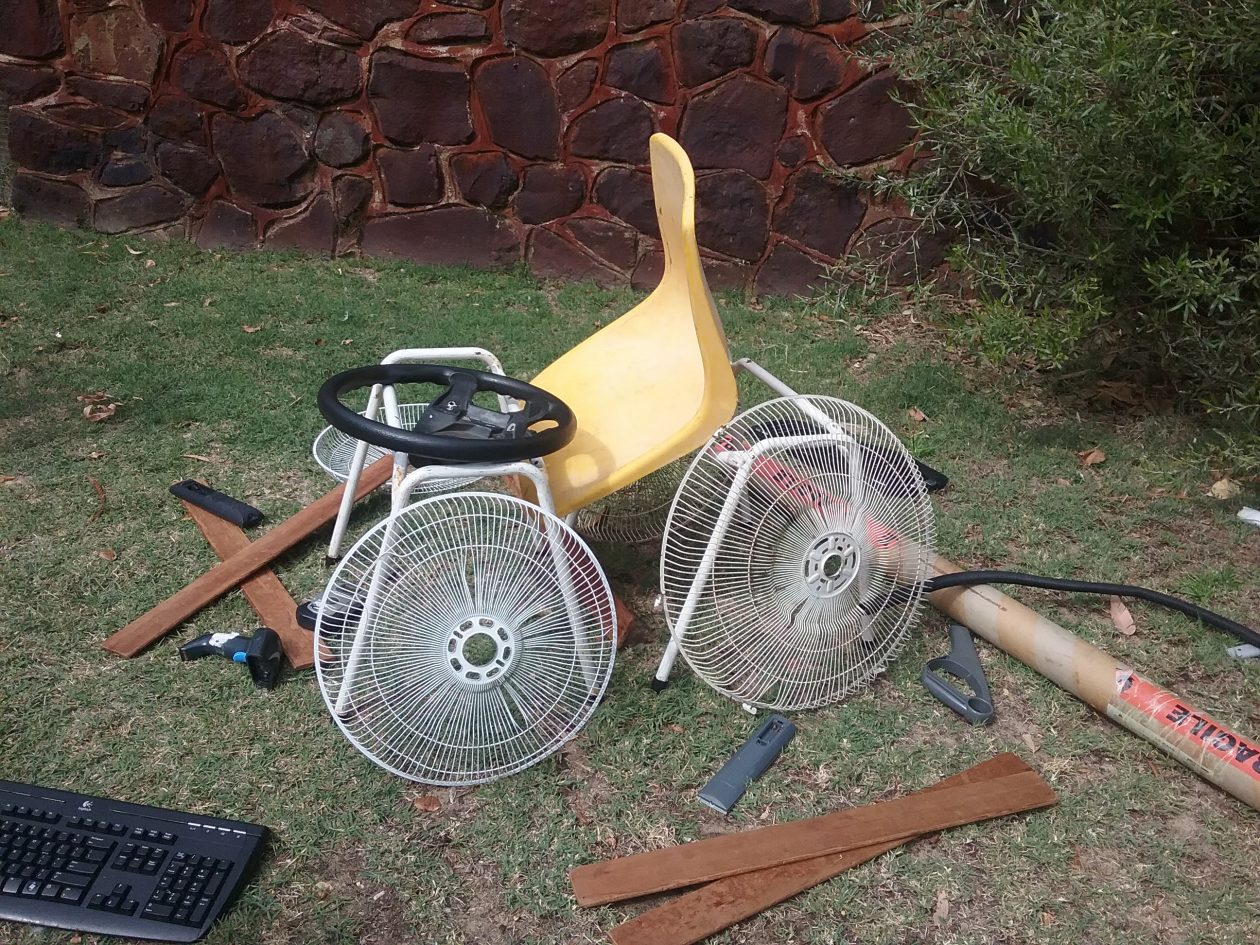
Let’s get creative and recycle junk that you have in your homes.
Children have a good knowledge of the importance of recycling so let’s make use of ideas we have in our houses. We will all have some cardboard in our houses at the minute, but if you do not you can use paper experiment and see what will work.
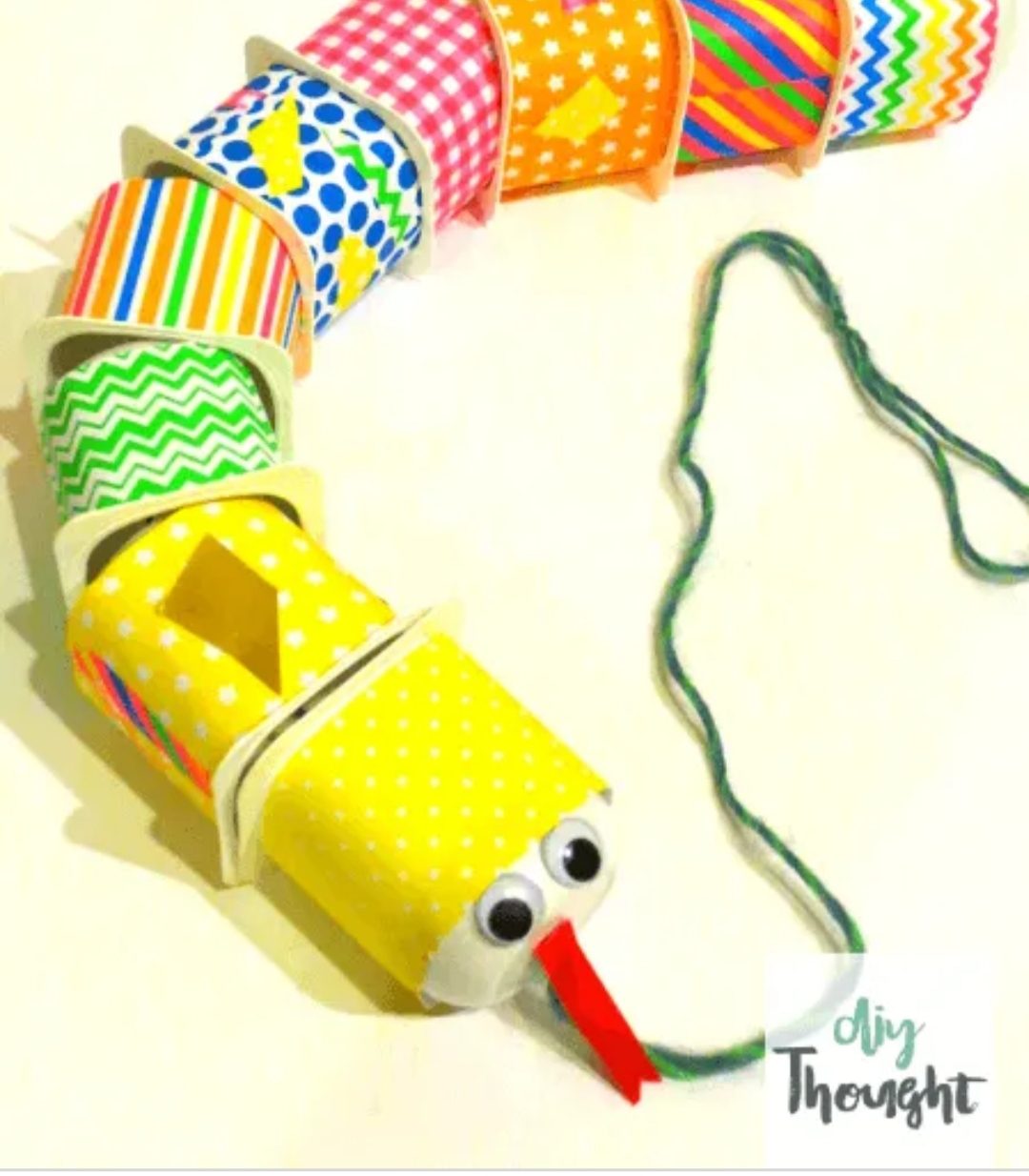
Lets make some cardboard tube snakes…
Here is what you will need to make these cardboard snakes.
cardboard tubes cut in half as many as you would like to make remember this will give opportunities of numeracy and estimations of length.
paint or coloured pens/crayons
hole punch
string, ribbon, wool
scissors
small piece of red material or paper
glue
cellotape
Watch this link to see how to put it all together.
https://www.youtube.com/watch?v=YfdkUJptP14
These can also be made using recycled yoghurt tubes.
Repost of our Penguins. Has anyone made a penguin yet?
Penguins are off-limits when it comes to pets, but this DIY recycled bottle activity allows your child to create the impossible. All you need are a few basic art supplies paired with cotton balls and a recycled bottle. You can use different sized bottles and discuss sizes and how much cotton wool would be needed for each and what size needs more.
Junk modelling and being creative is a huge part of children’s active learning. They use their imaginations, problem solving skills while developing their design skills and creativity. They develop their self-confidence as they are enabled to explore materials and how to use them.
You can then give each Penguin a name and age, possibly make up a story about your new family Penguin.
Why not research where he/she would be from?
Then why not dance to the Penguin song with your very own penguin pet.
Please share your creations with us. We can’t wait to see them all.
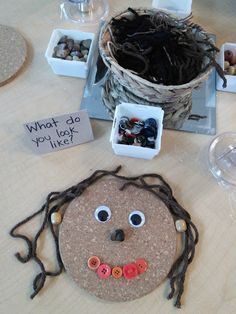
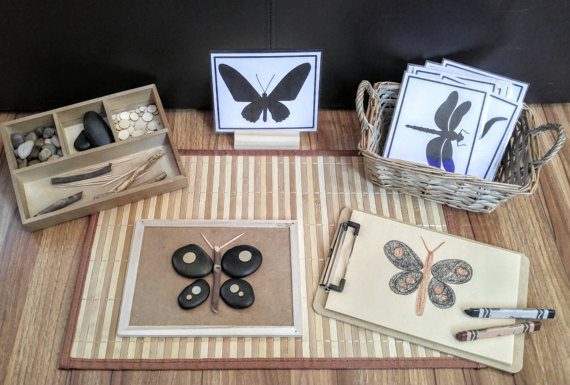
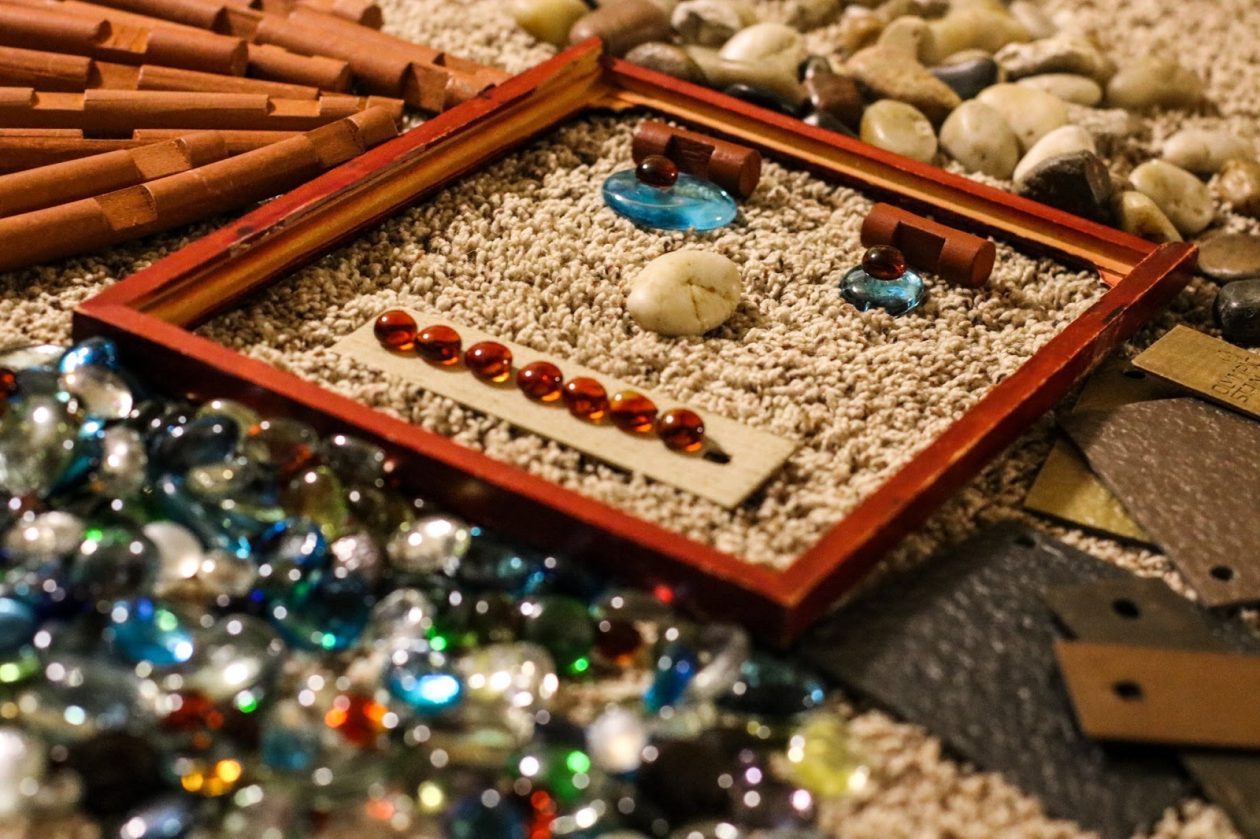
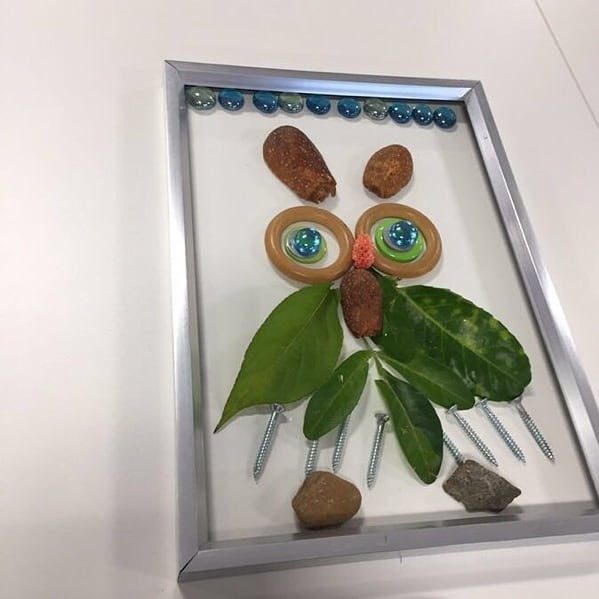
Loose Parts are objects and materials that children can move, manipulate, control and change within their play. They can be moved all around and are often open-ended – that means they can be used in endless way, with the use of children’s incredible imagination! Loose Parts exploration and play can have a massive impact on problem solving, scientific thinking, language, concentration, hand-to-eye coordination and many more!
So… What are Loose Parts objects? You most probably have a great selection in your homes!
These could be buttons, corks, leaves, twigs, rocks, sea shells, dry pasta, bottle caps – the list is miles long!
Let’s have a look around you and see if you can find any Loose Parts. It could be pom-poms, keys, lego, conkers! These can be used for counting and sorting as well as making 3D pictures!
We would love to hear all about your ideas and creations! Please ‘reply’ on this page and the staff can respond to you too!
Challenge – Can you sort your toys or clothes in different ways? These are the red cars, these cars have 4 wheels . How many different ways can you sort these items?
Well… The Spring has arrived! The weather has been super lovely – the sunshine, blue skies and beautiful songs coming from the birds. We thought it would be a great idea to go on a Spring scavenger hunt! Don’t worry if you don’t have a garden – you can go on the hunt indoors, too! Why don’t you draw some of the things or even look for photos of them in books/magazines? Good luck 🙂
Alison’s granddaughter has tried this activity. She had great fun and thought that all the children in our class would love it too!
I was so excited about this hunt that I have tried it myself! So far I managed to find two birds flying past my window, water in a jug in my kitchen, a purple scarf and a butterfly on my window sill! What can you find?