Kirsten reading ……….. The Crocodile Who Didn’t Like Water

Here’s a story by Gemma Merino for you to enjoy… It has a rather surprising ending!

Have a listen and ask if an adult can help you with the challenge at the end!


We hope you enjoyed the story!

Can you think of 2 animals who live on land?

Can you think of 2 animals who live in water?

Can you think of 2 animals who can fly?

We’d love to hear from you in the comments, about the the animals you can think of.

Perhaps you’d like to spend a short time learning about a new animal, using the internet to find out more…

Let us know how you get on!


Science Egg-periment

Over the weekend I thought I would try a cool science experiment, It was AMAZING so I thought I would share it with you all.

You will need one egg, a clear jar or glass and some vinegar.

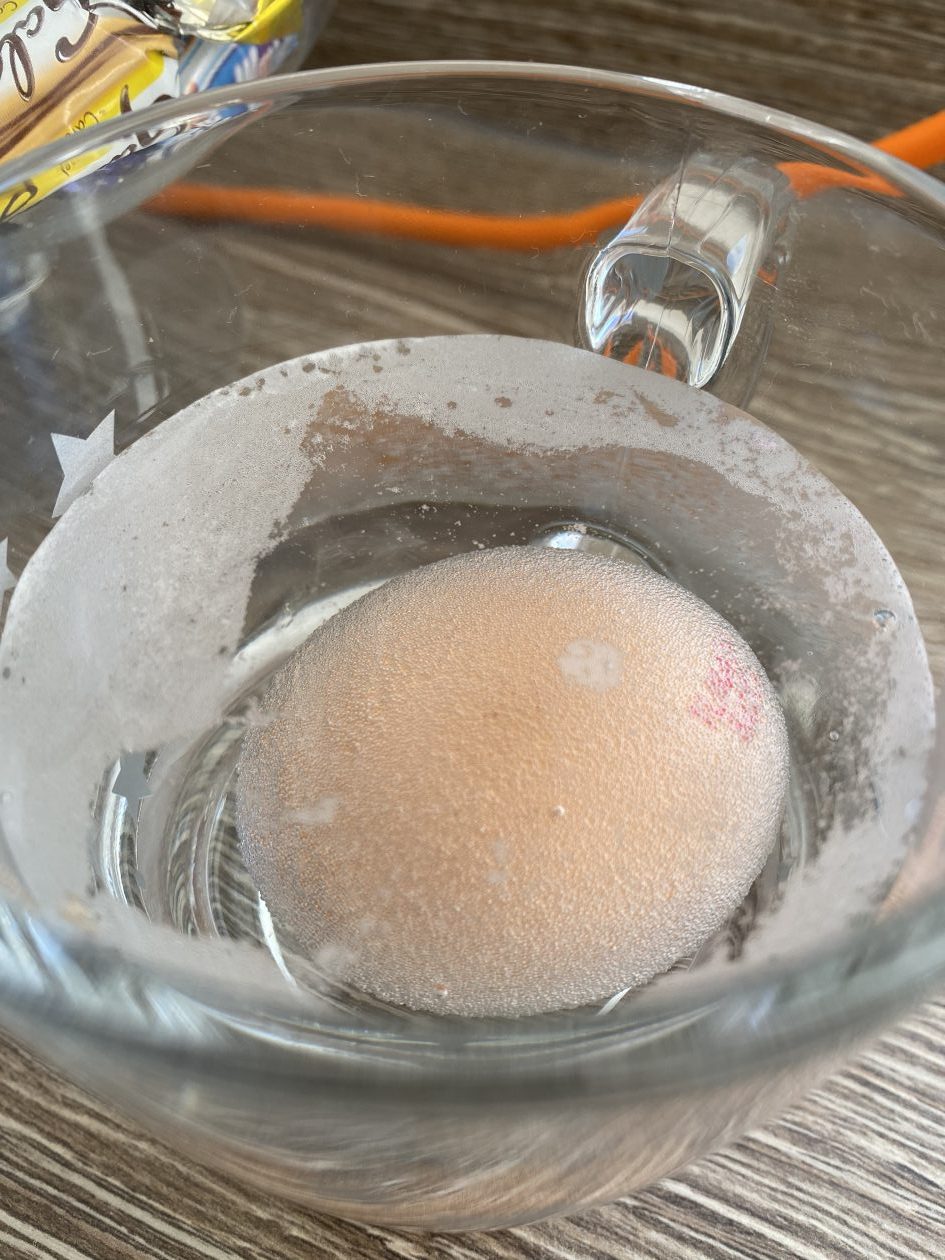
Next step is to add the vinegar into your jar and then gently add the egg (you want the vinegar to cover the egg)

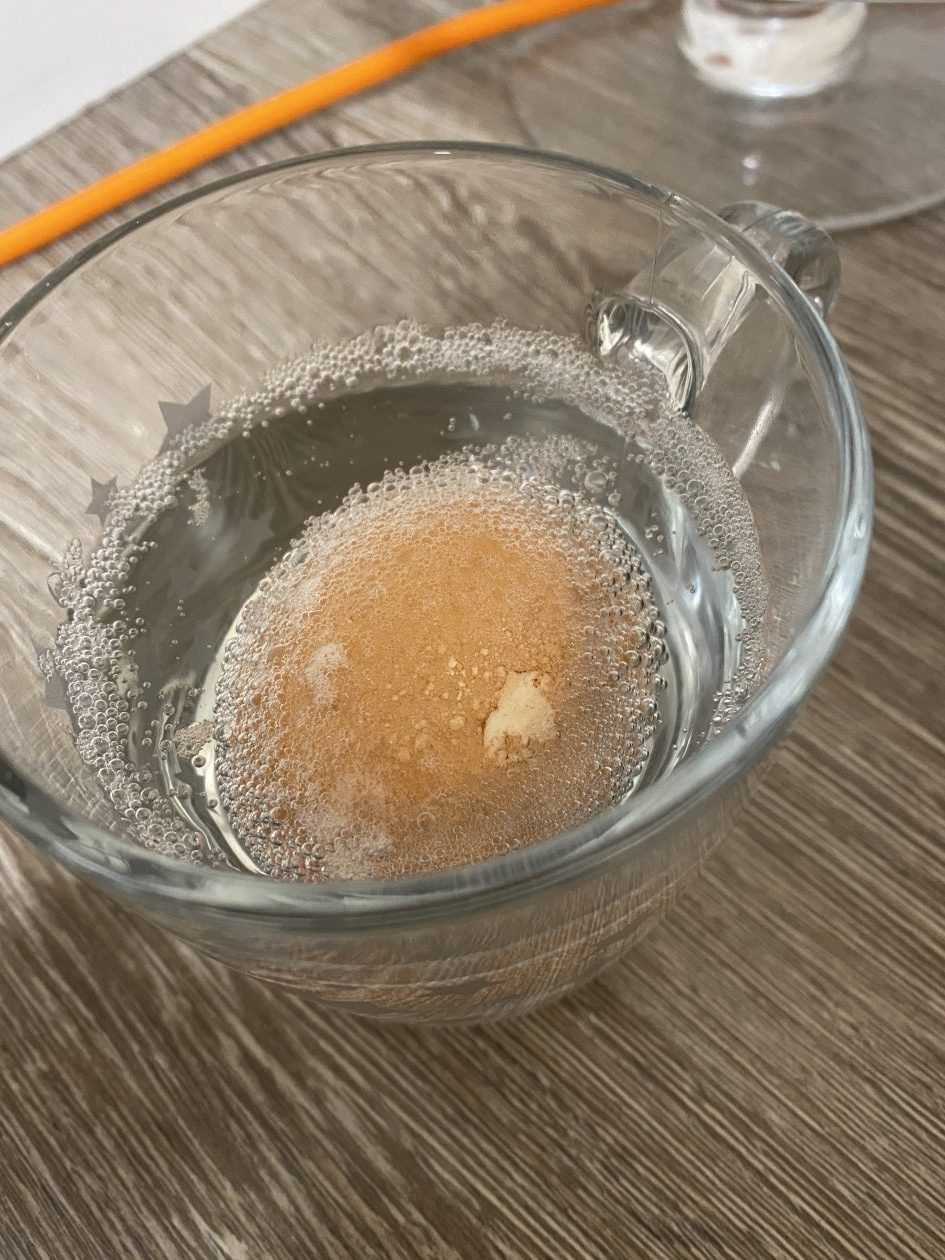
Once you have added your egg, you will start to see bubbles appear on your egg, this is a chemical reaction between the vinegar which is an acid and the egg shell which contains calcium. The vinegar causes the egg to release carbon dioxide which creates the bubbles.

The egg has to stay in the vinegar for 48 hours- two whole days!!

The next morning your egg should have lots of bubbles on it and you will start to see the shell disappearing

The second day your egg will have very little shell left on it.

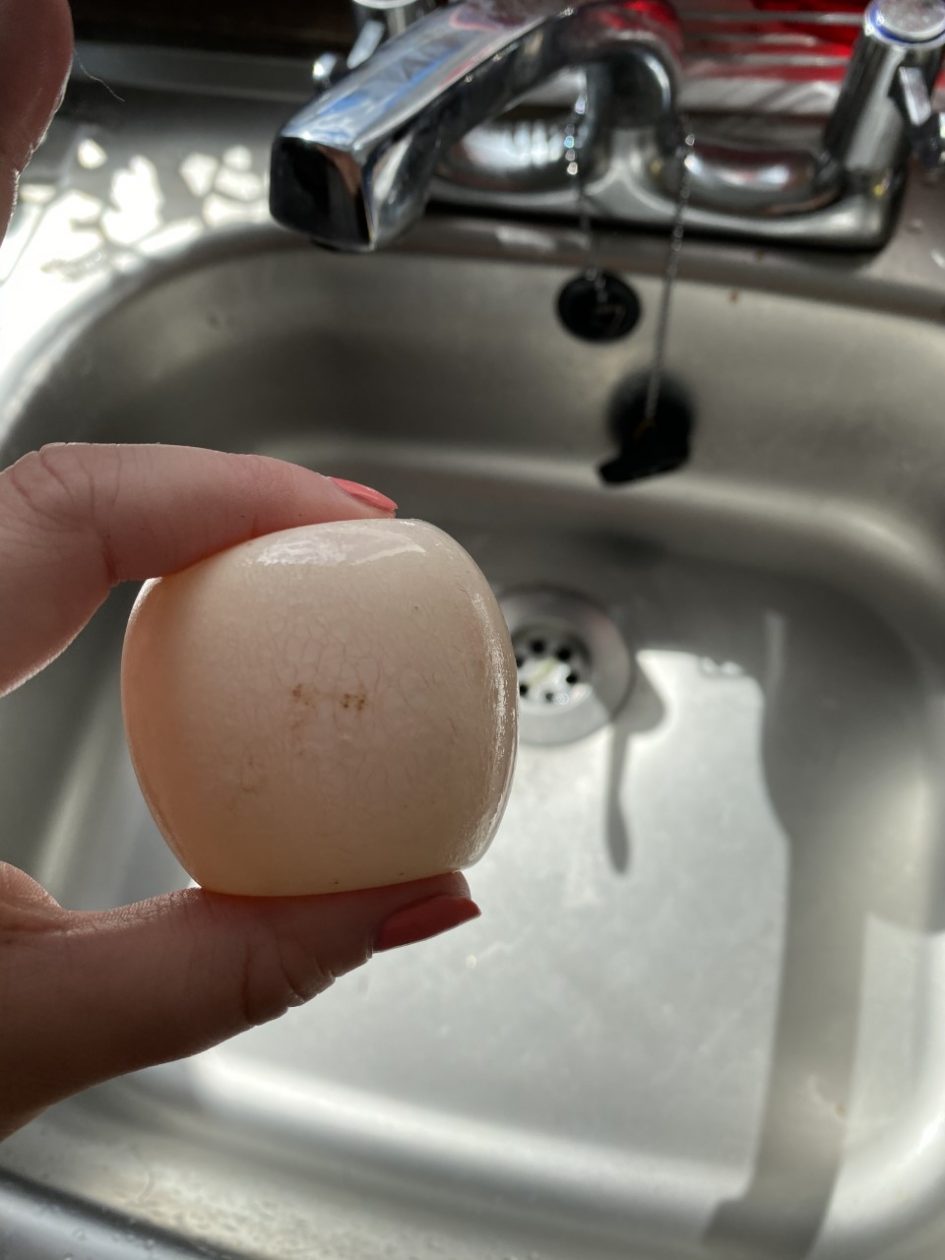
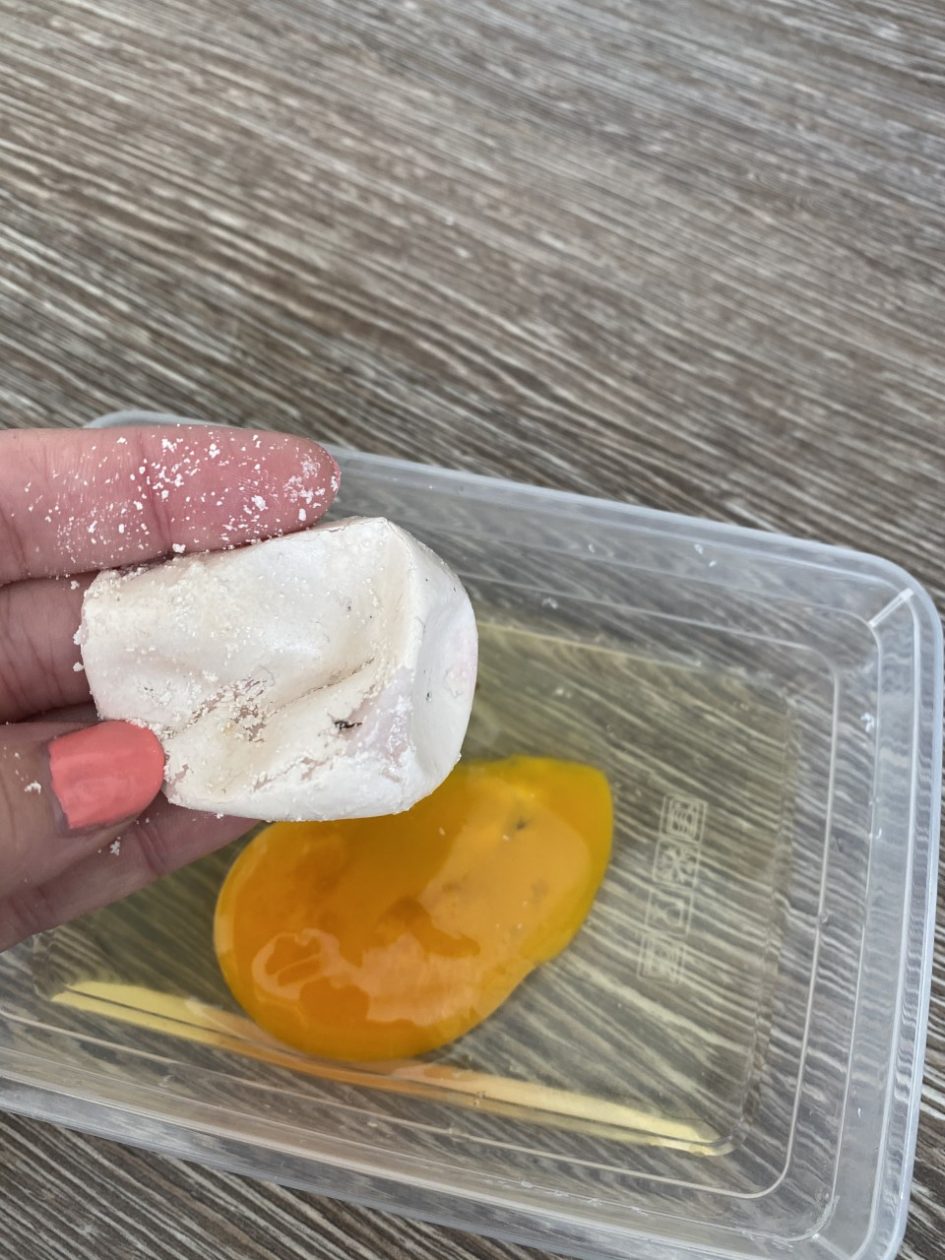
Once your 72 hours is over, gently take the egg out of the vinegar and run it under some water. gently rub the egg to get the rest of the brown shell off.

Once all of the shell is off you can see what the vinegar has done to the egg shell.

The vinegar has caused all of the calcium to float out of the shell (through the bubbles) causing the shell to become squishy.

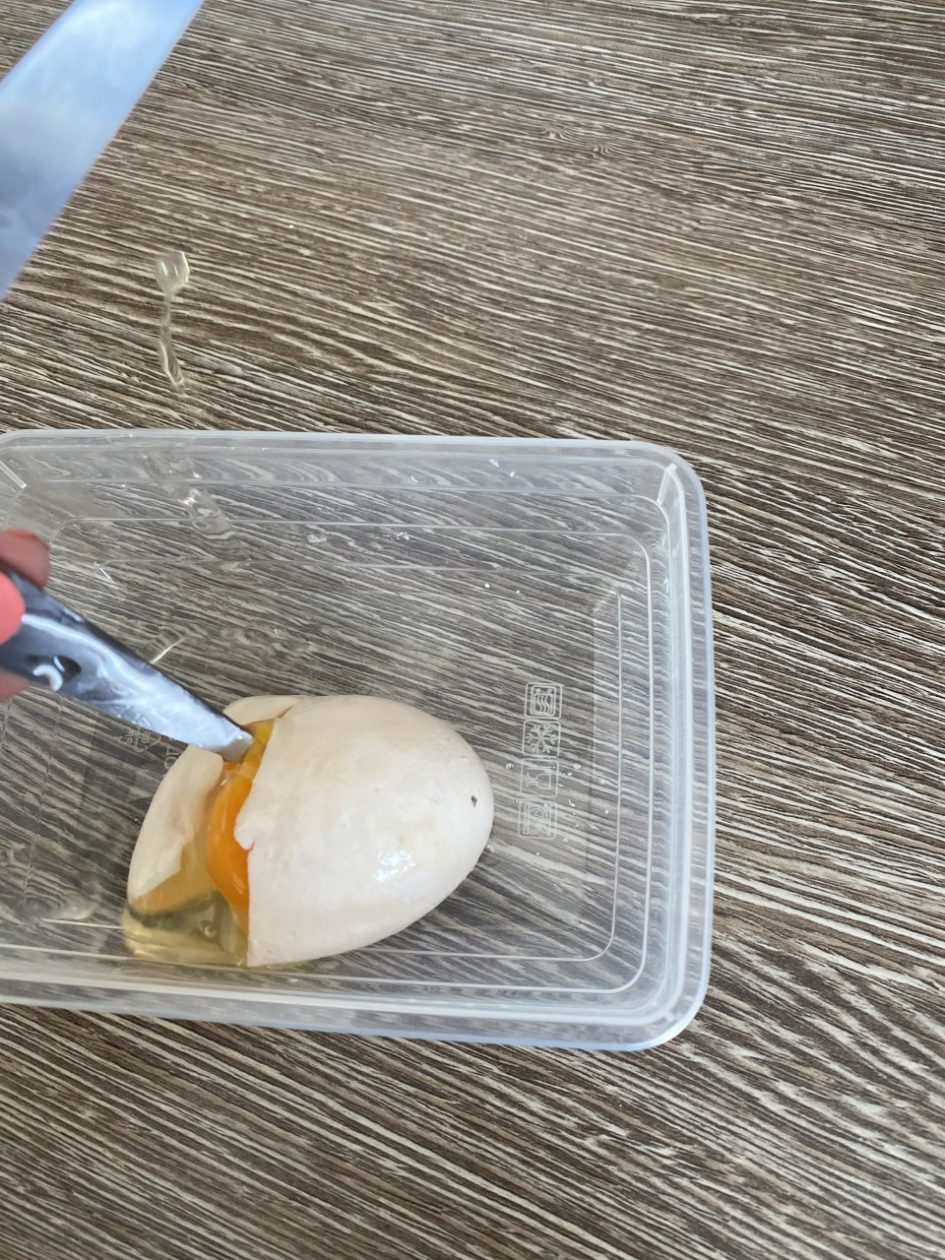
You have to be very careful with your egg as it is very easily popped!!

Once the egg has popped you can see the shell is still there, if you rub the empty shell you can see little pieces of the egg on your fingers! HOW COOL IS THAT?

Leave us a comment and let us know if you try this experiment and how you got on. We cannot wait to hear from you.
Monday’s Magic Trick

We all love magic tricks! Now you can learn a new trick at home! All you need is a plate with some water, paper towel and coloured pens… And of course – your imagination! We can’t wait to hear what you think!

Bookbug

Check out Bookbug on Twitter for ideas and links to literacy activities to do together with your child.

https://twitter.com/Bookbug_SBT?ref_src=twsrc%5Egoogle%7Ctwcamp%5Eserp%7Ctwgr%5Eauthor

….or link to site

https://www.scottishbooktrust.com/bookbug

You could visit this site each day and choose a different activity.  Remember that children learn by repeating activities so keep offering opportunities to re-visit favourites. This will build your child’s confidence as they become more familiar with the songs and rhymes.

A night..or day at the museum

The Weekend

A nice thing to do this weekend, might be to take a trip to a museum…but they’re all closed I hear you cry! Lots of museums are offering virtual tours so you can visit them from the comfort of your own home. Have a look on the internet and see which museums you would like to visit.

I love the artist, Vincent Van Gogh, so I’m going to take a trip to the Van Gogh museum this weekend:

https://www.vangoghmuseum.nl/en


If you decide to visit this museum, Story Zoo has a lovely follow-up video that you can enjoy with the children.

https://youtu.be/Qk1lFYaUslk

Museum virtual tours

How exciting that we are now able to have a peek into the various museums, even when they are closed during this difficult time.  Some of the museums around the world have decided to open up their virtual doors.  Why don’t you take a look?

National Museum of Natural History

http://naturalhistory.si.edu/vt3/

The Louvre

http://www.youvisit.com/tour/louvremuseum

The British Museum

http://www.oculus.com/experiences/rift/1177199742298383/


Please let us know in our comments if you enjoyed this.

Nursery Rhymes

Acting out a nursery rhyme

When children “act out” a poem or nursery rhyme, they learn to love its rhythm and rhyme and they begin to see in their imagination the story that has been created. Children will grow as readers by connecting feelings with the written or spoken word.

What you’ll need:

Poems or nursery rhymes that your child will enjoy. Use these clips if you don’t have any suitable rhymes at home. Your child may know Incy Wincy Spider so it’s a good one to start with. Once they have got the idea you could move onto the second clip.

Incy Wincy Spider

Funny children’s poetry: “The worm that wouldn’t wiggle” – poems for kids

What to do:

As you share the poem or nursery rhyme, talk about the characters and what parts your child likes and dislikes. Can they make any connections – does it remind them of anything or a real-life experience?

Challenge – Can your children start to act out the nursery rhyme and play the part of a character? Why don’t you get involved too and make it a family story or nursery rhyme.

Report a Glow concern
Cookie policy  Privacy policy