Maths Recovery
What is Maths Recovery?
Maths Recovery is a research-based approach and framework designed to help teachers understand exactly how children think and learn about numbers and our number system, and to provide targeted teaching to move them forward. Developed by Robert Wright, this approach uses diagnostic assessment to identify specific gaps in a child’s knowledge of number, moving them beyond basic counting toward sophisticated mental strategies. In Scotland, it is often used as a key intervention to close the attainment gap, and although originally designed as an intensive intervention to support struggling learners in primary school, the methodology can be applied to whole-class teaching. It transitions pupils from concrete physical objects to abstract concepts by using techniques such as screening, which encourages the formation of mental visualisation. Ultimately, Maths Recovery empowers educators to provide targeted support that builds both conceptual depth and learner confidence.
Who Benefits from the Approach?
While often associated with 1:1 intervention, Maths Recovery methodology benefits a wide range of learners:
- All Learners (Early-First level): Teachers trained in Maths Recovery often find that the strategies and teaching methods improve their teaching for the whole class, helping even the most able learners develop deeper conceptual understanding.
- Targeted Learners: Primarily aimed at children working at first level who are not keeping pace with their peers in numeracy.
- Children with Significant Gaps: It is highly effective for learners who have “plateaued” or have deep-rooted misconceptions that standard classroom teaching hasn’t fixed.
- ASN / Inclusion Pupils: The highly visual and kinaesthetic nature of the activities makes it accessible for children with various learning needs.
Common Issues Maths Recovery Helps Address
Teachers often turn to Maths Recovery when they face these specific classroom challenges:
|
The Issue |
How Maths Recovery Helps |
|
“Invisible” Gaps |
Provides diagnostic assessments that reveal exactly where a child’s understanding breaks down (e.g., they can count to 20, but can’t “count back” from 14). |
|
Over-reliance on counting |
Moves children away from “counting by ones” (using fingers) toward more sophisticated mental strategies, where they use numbers flexibly. |
|
Lack of Confidence |
Uses the “Low Floor, High Ceiling” approach to ensure every child experiences success, which rapidly builds maths self-esteem. |
|
Pace vs. Depth |
Encourages teachers to slow down and secure the “foundations” (like the structure of 5 and 10) before moving on to harder calculations. |
|
Mathematical Talk |
Focuses heavily on the child explaining how they got an answer, which develops metacognition and deeper conceptual understanding. |
Resources
Books
The best place to start to understand the Maths Recovery approach and access the framework, is through the Maths Recovery books. Their books act as guiding manuals for teachers to the implement and deliver the approach. There are a range of texts relating to the approach, but here are the core texts:
Teaching Number in the Classroom with 4 – 8 year olds
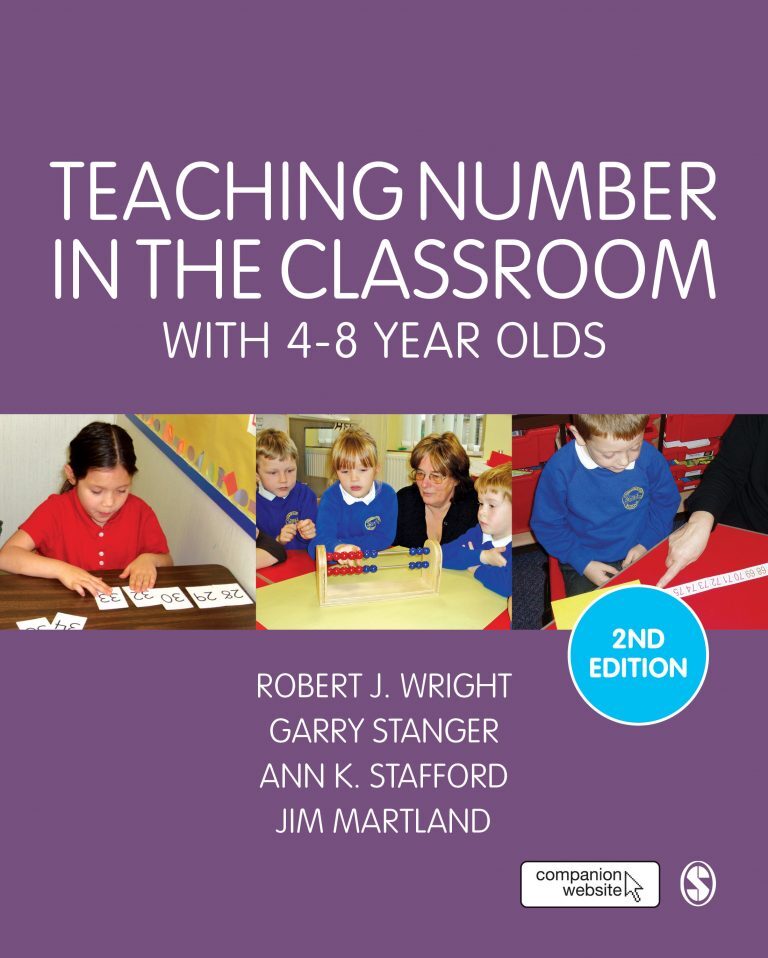
Suitable for whole-class teaching and classroom interventions involving learners who are struggling with their learning at the end of early through to the end of first level.
Developing Number Knowledge: Assessment, Teaching and Intervention with 7-11 year olds
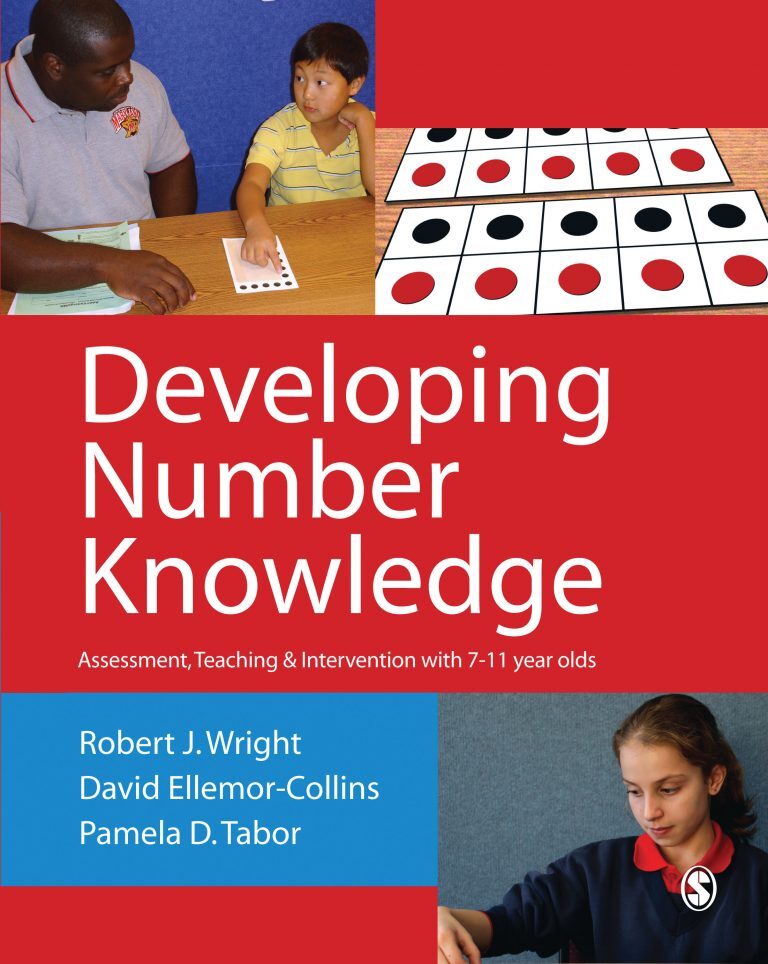
Suitable for whole-class teaching and classroom interventions involving learners who are struggling with their learning at the end of first through to the end of second level.
The Learning Framework in Number
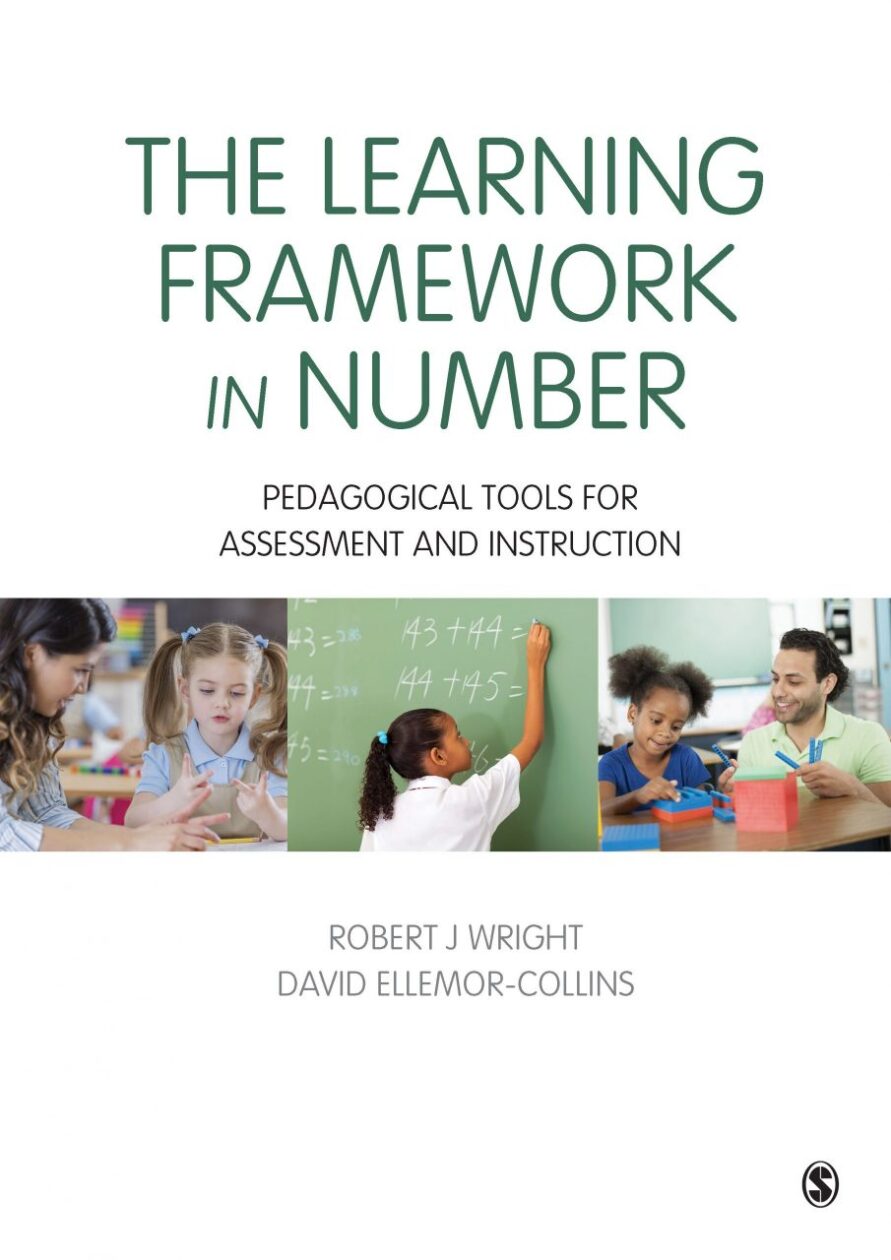
This book gives teachers a complete research-based framework for assessment, instruction and intervention in whole number arithmetic across Primary. Suitable for targeted intervention.
For access to the full range of Maths Recovery books, click here.
Concrete Manipulatives
The Maths Recovery approach is based on the premise that “Children must hold maths in their hands, before they can hold it in their heads”. MR instructional activities make use of a range of key concrete manipulatives and visual representations to help children ‘see‘ the maths. Here are some of the key concrete manipulatives and pictorial models that are used within Maths Recovery:
- Dot pattern cards
- Finger Patterns
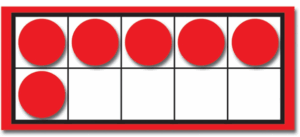
- Ten frames
- Double-sided counters
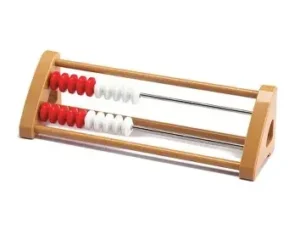
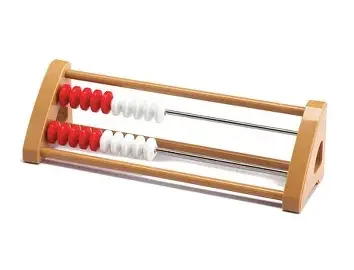
- Rekenrek (bead frames)
- Bead strings
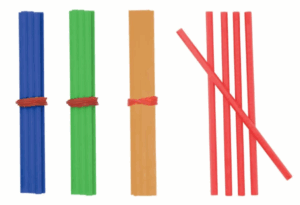
- Bundling sticks
- Empty
 number line
 - Arrays
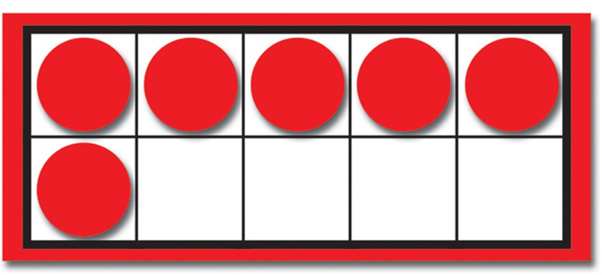
To learn more about each of these resources and how to use them in practice, visit our ‘Tools‘ page.
Maths Recovery Resource Kits are available to purchase from most major educational suppliers.
Screening
The Maths Recovery approach uses a technique called “screening”, where the physical representation of the maths is gradually removed to encourage children to visual the mathematics concepts and procedures in their head. This helps to gradually scaffold their mathematical understanding, by moving from concrete to abstract.
Maths Recovery CLPL in Falkirk
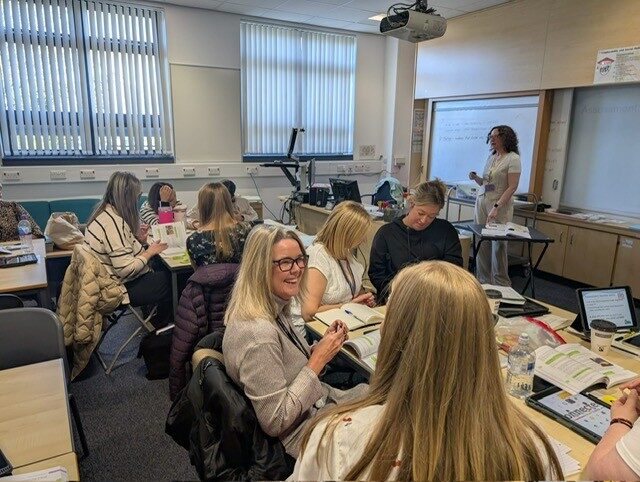
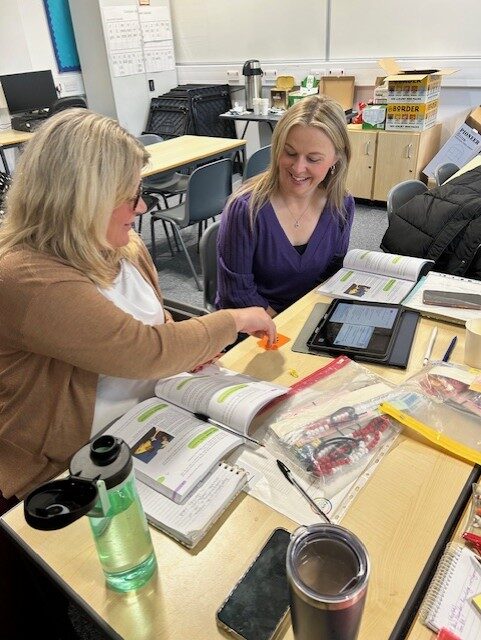
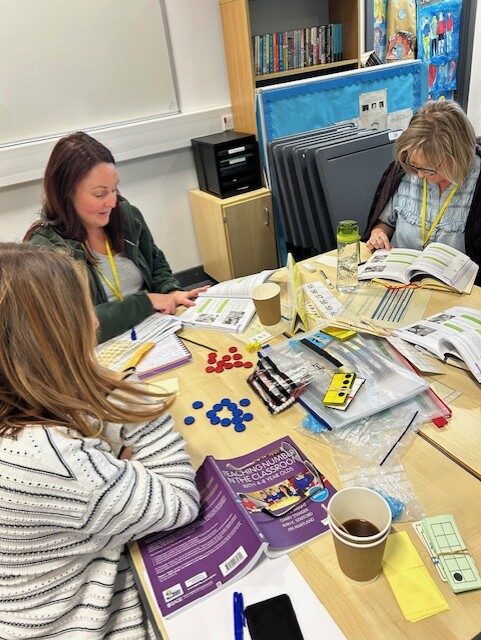
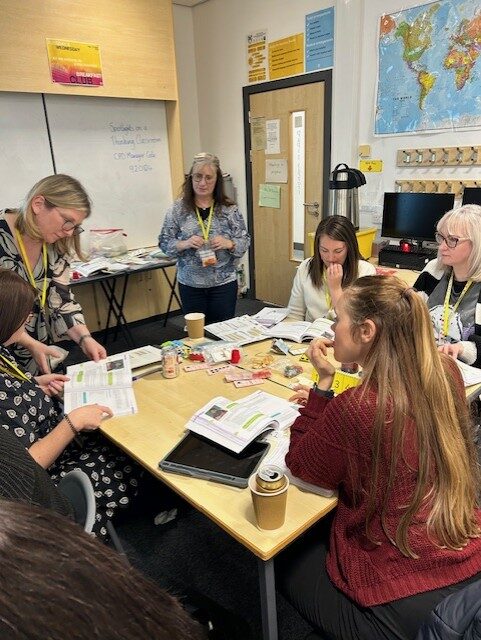
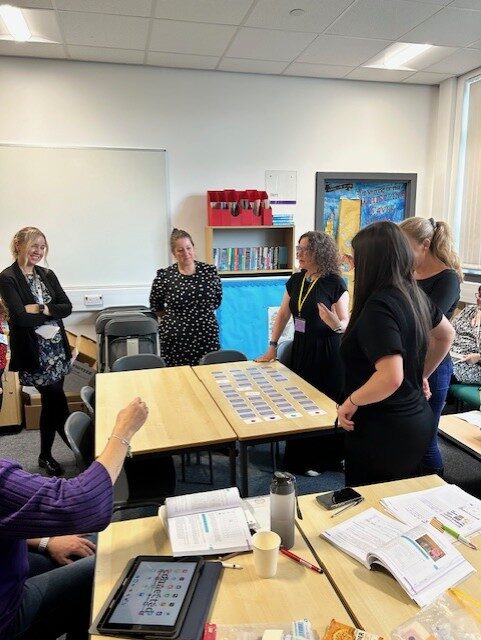
During the 2025-26 session, we ran four cohorts of Maths Recovery training, based on the ‘Teaching number in the Classroom’ book (purple). 50 practitioners across 23 establishments were trained are now successfully implementing the Maths Recovery approach within their establishments.
Impact
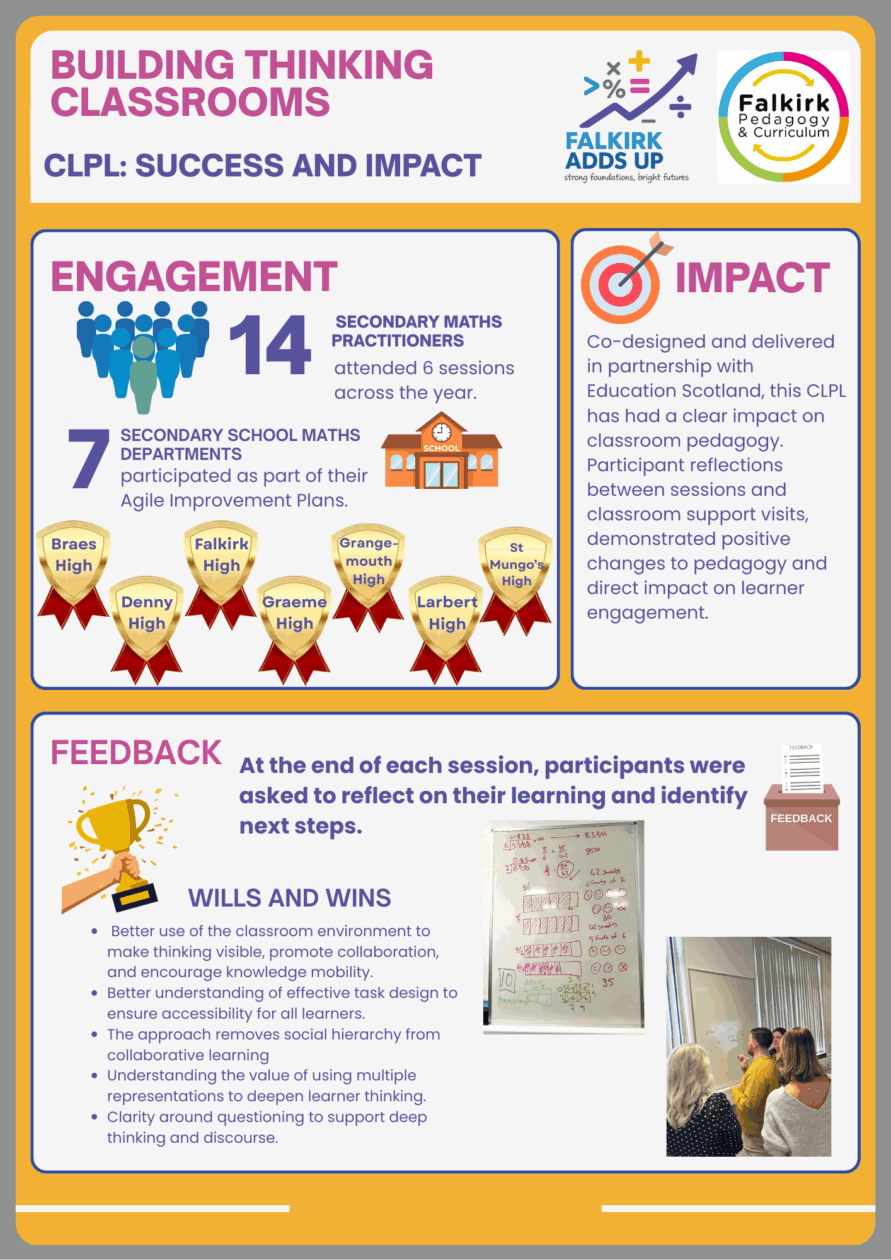
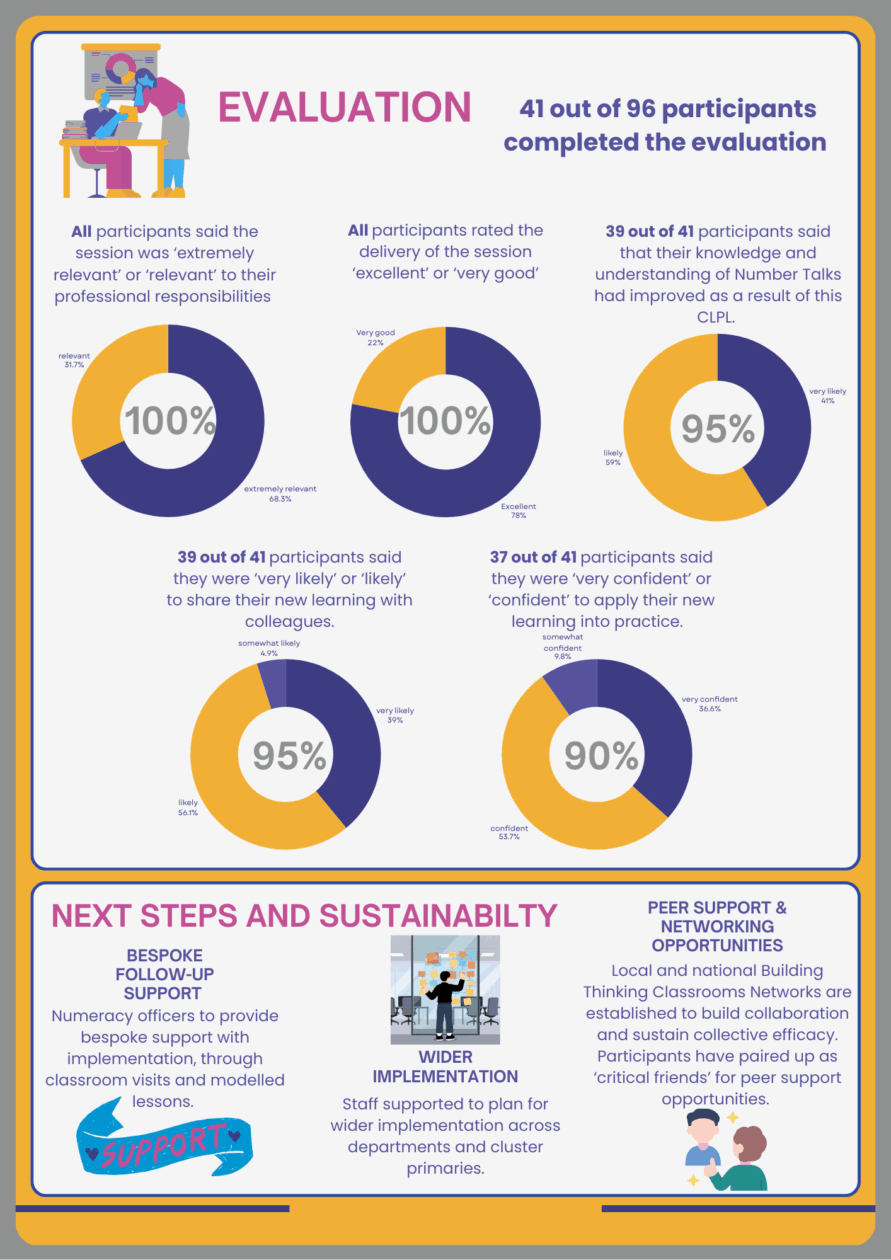
Here is an impact summary of our Maths Recovery 2025-26 CLPL.