All posts by gw22mciverlaura@glow

January

We kick started the new year with our new topic that links science, health and wellbeing and food technology.
Science:
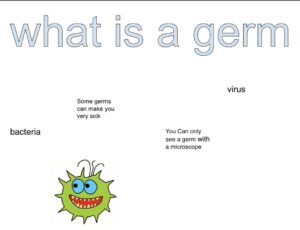
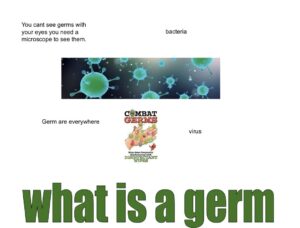
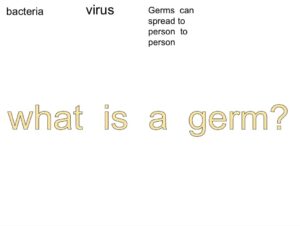
First we have been learning about what germs are, different types of germs and diseases, how germs are spread and how to prevent the spread. At the computer suite we used google drawing to make a poster to explain what a germ is and the names of 2 different types of germs:

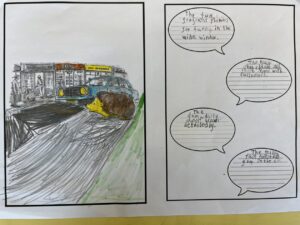
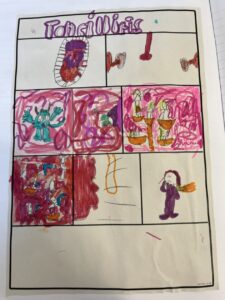
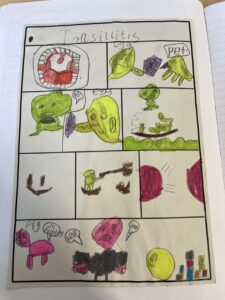
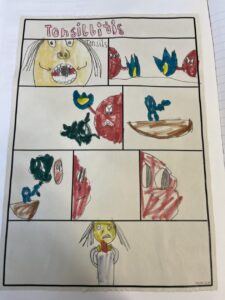
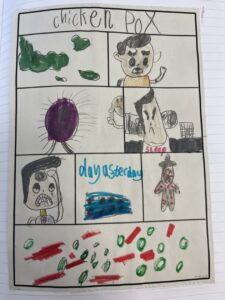
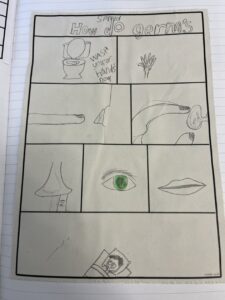
After that, we researched what common diseases you can get from bacteria and a virus. We made mini comic books to show our understanding of how you get tonsillitis and chicken pox:

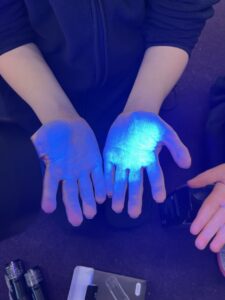
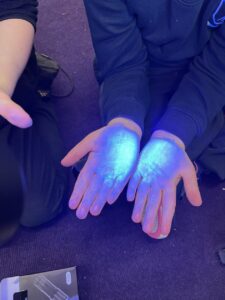
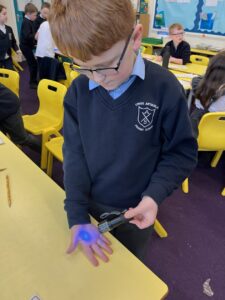
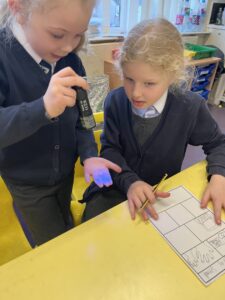
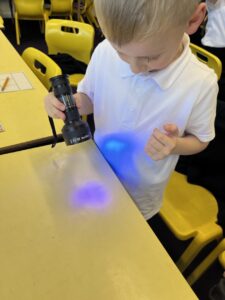
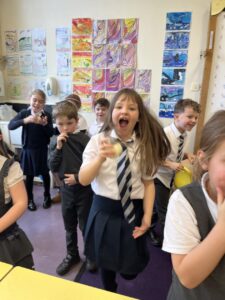
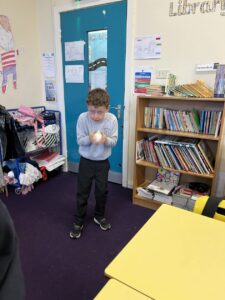
Then we used UV gel to explore how easily germs can spread. We put a small amount of gel on our hands and then touched some surfaces around the classroom. Using the UV light torches we could see the ‘germs’ from our hands had transferred to the tables we had touched. We were then challenged to wash our hands very well following all the steps to see who could wash all the ‘germs’ off their hands the best:


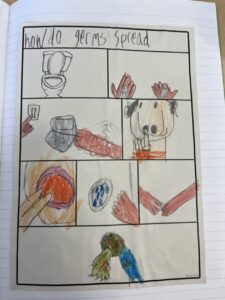
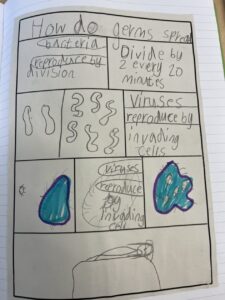
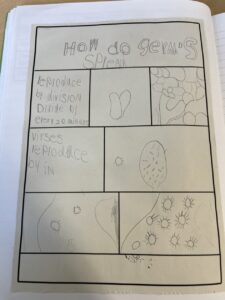
We also made posters to show our understanding of how germs spread and both bacteria and viruses spread when inside our body:

Food Technology

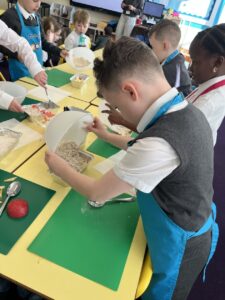
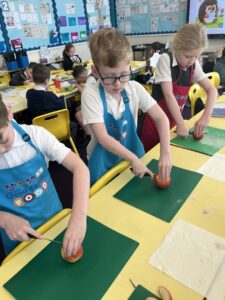
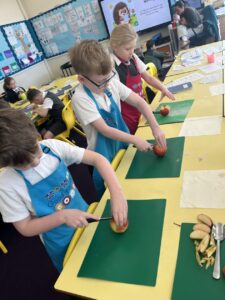
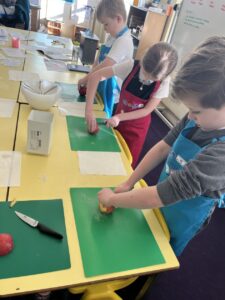
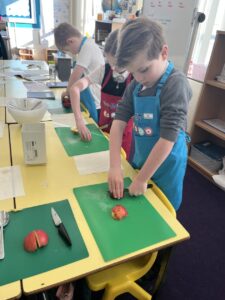
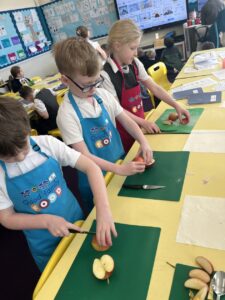
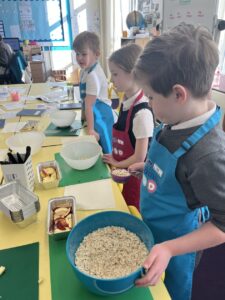
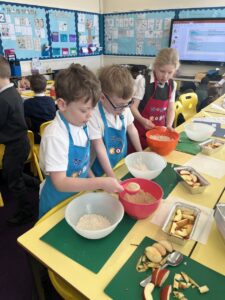
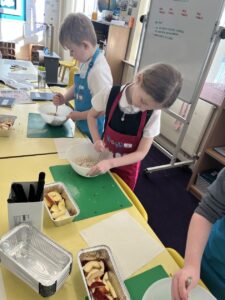
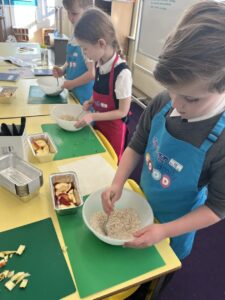
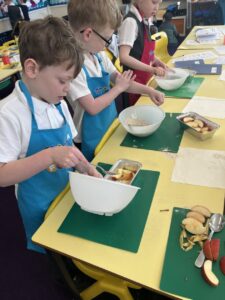
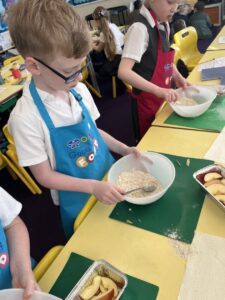
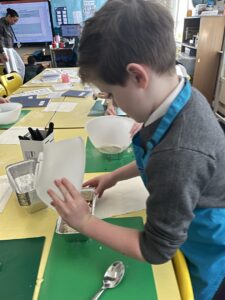
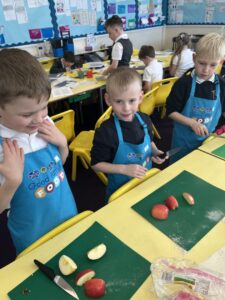
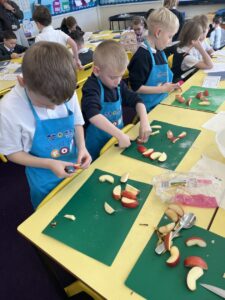
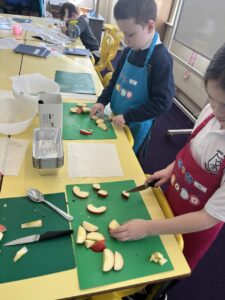
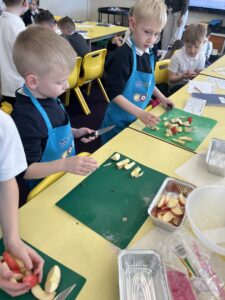
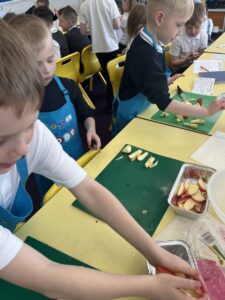
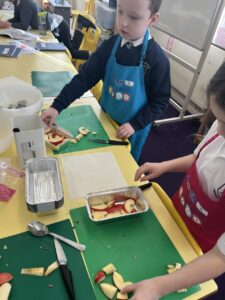
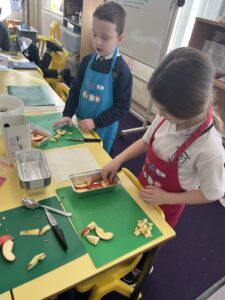
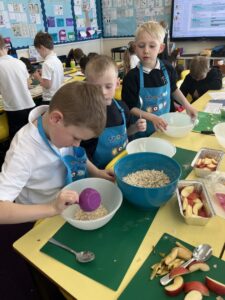
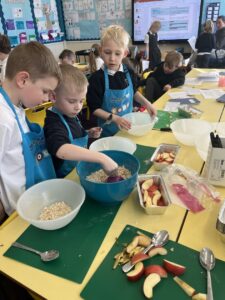
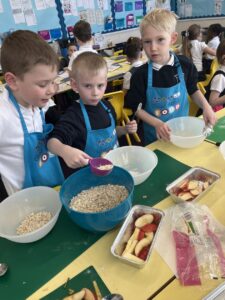
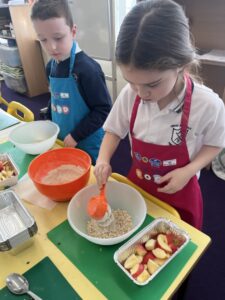
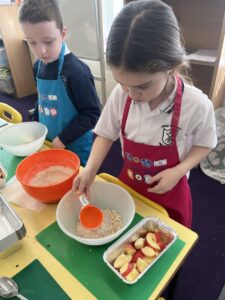
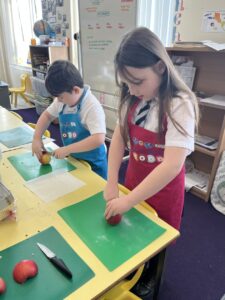
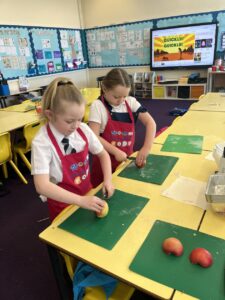
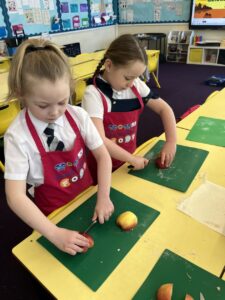
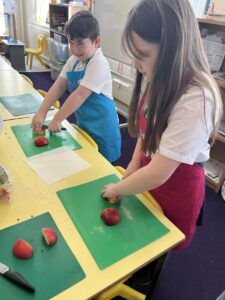
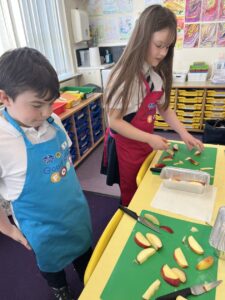
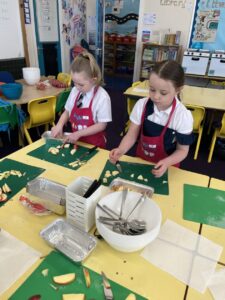
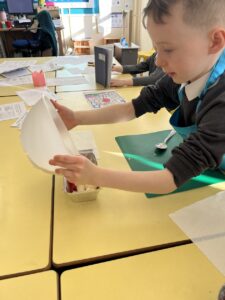
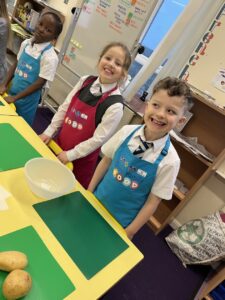
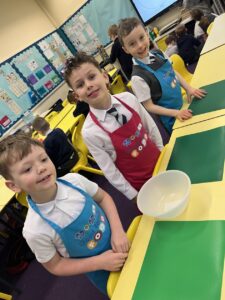
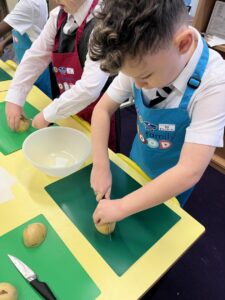
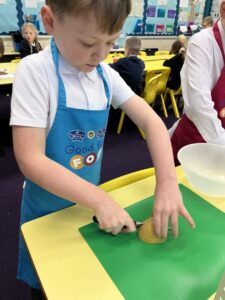
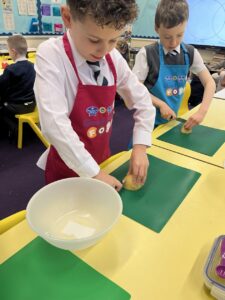
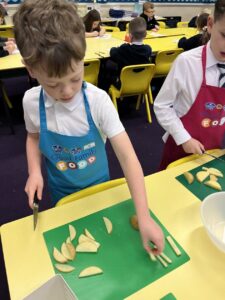
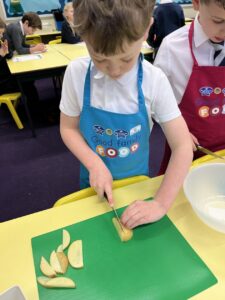
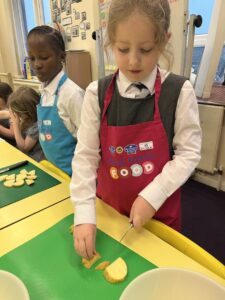
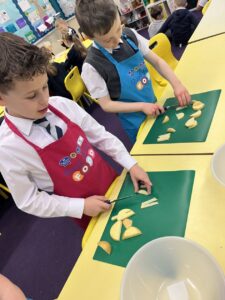
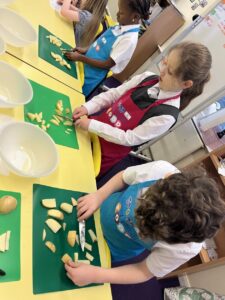
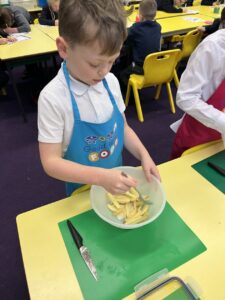
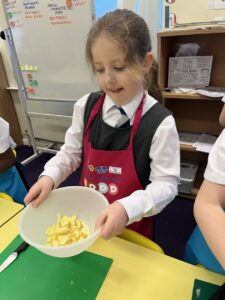
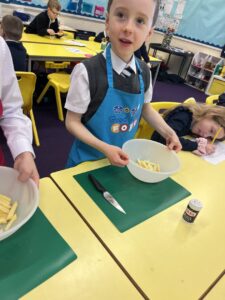
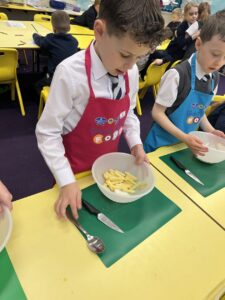
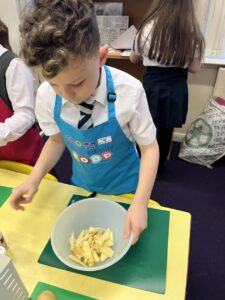
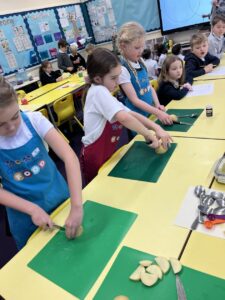
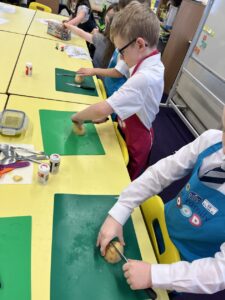
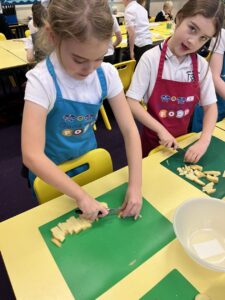
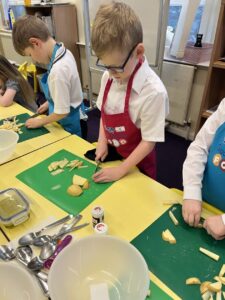
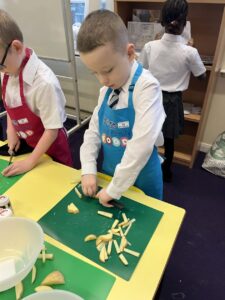
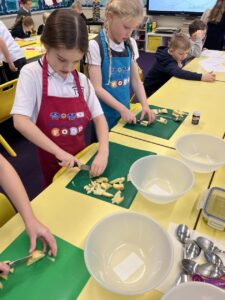
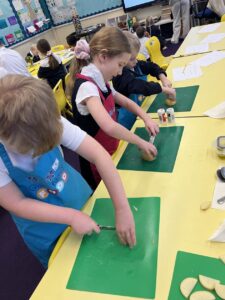
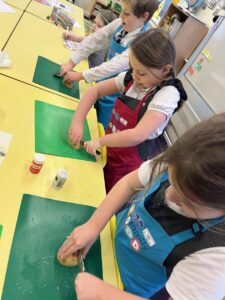
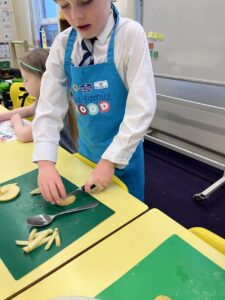
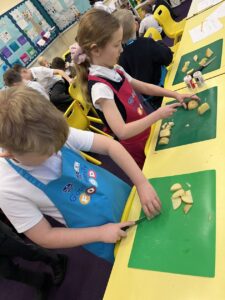
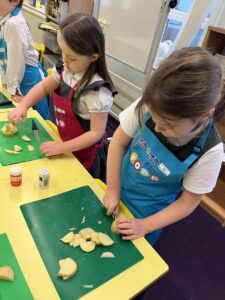
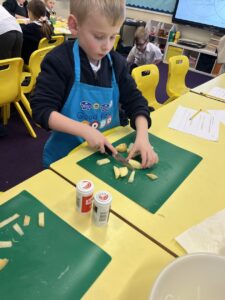
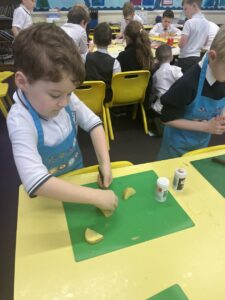
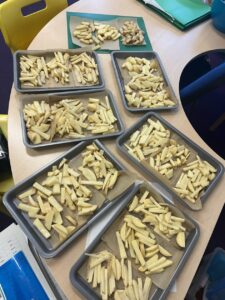
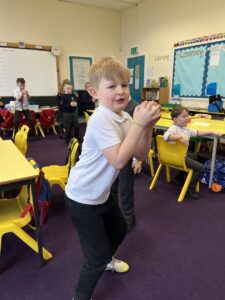
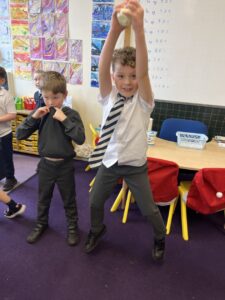
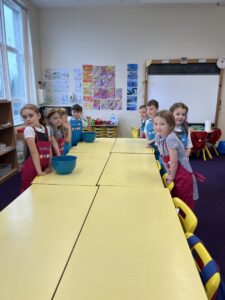
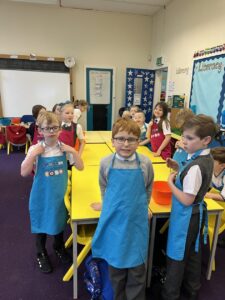
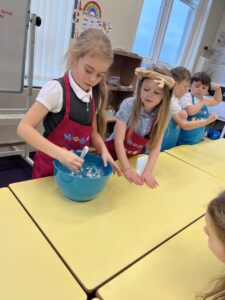
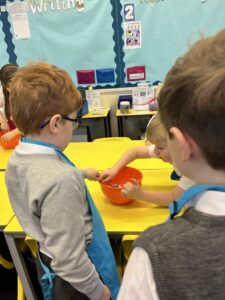
After all our hard work learning about germs and how they spread, we were keen to link this new knowledge to food preparation. We know it is very important to wash our hands and wipe down surfaces before and after cooking to prevent the spread of germs. To begin, we have been learning to demonstrate simple cutting and knife skills using the bridge hold and claw grip. What better way to show off our new skills than making chips!

Modern Languages – Mandarin

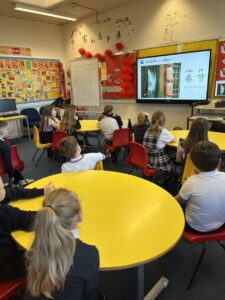
This month we have begun our mandarin lessons on a Thursday afternoon:

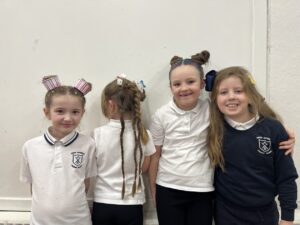
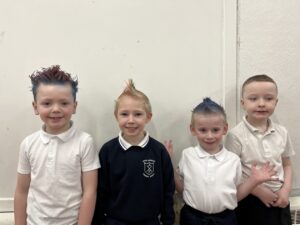
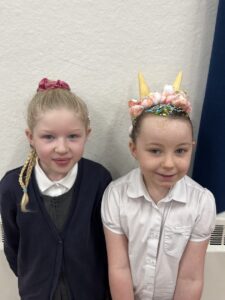
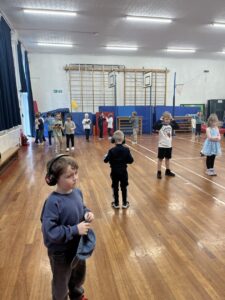
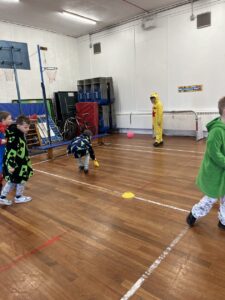
Crazy hair day:

Everyone looked amazing with their crazy hair:

December

Social Studies

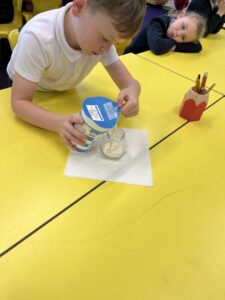
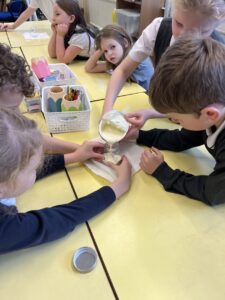
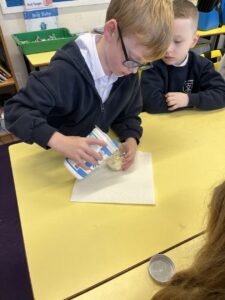
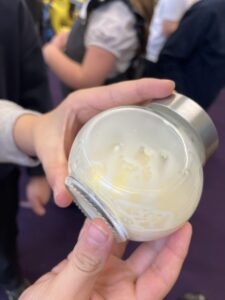
As part of our farming topic we took notes and wrote instructions on how to make butter. We then felt it was important to make our own butter and taste it for ourselves. First we poured double cream into a jar and took it in turns to shake the jar for about 20 minutes!

Still shaking the jar:


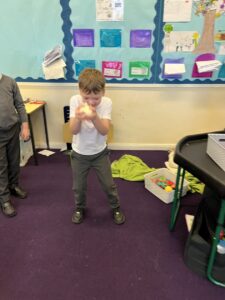
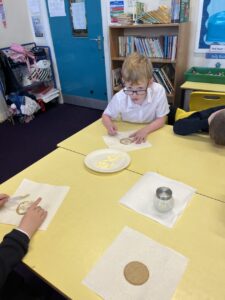
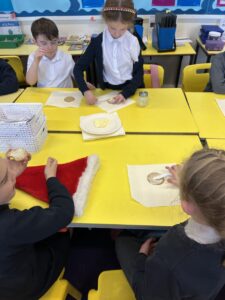
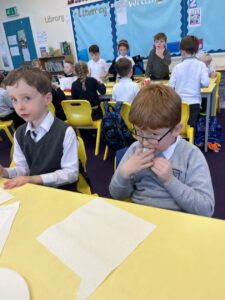
Then for the most important part…the taste test! We tried our butter on an oatcake.

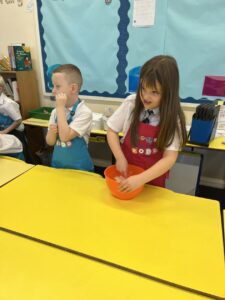
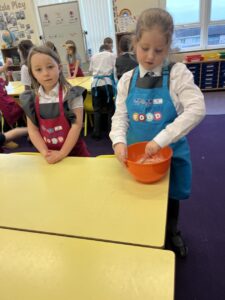
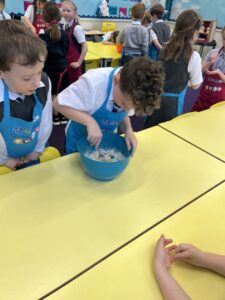
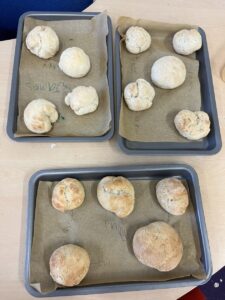
Next we researched about the journey of wheat and how it is ground to make flour that can be used to make bread. Again, we thought is was very important to learn how to make bread for ourselves using flour, yeast, salt, sugar and water.

Art and Design

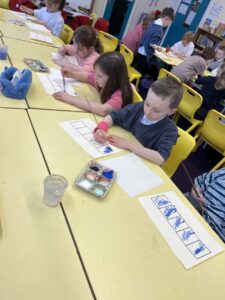
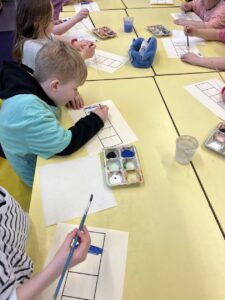
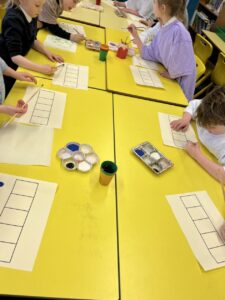
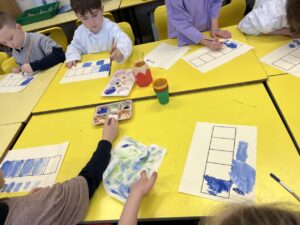
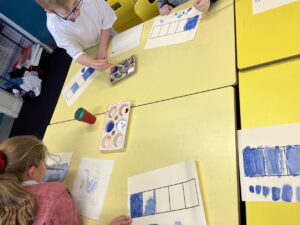
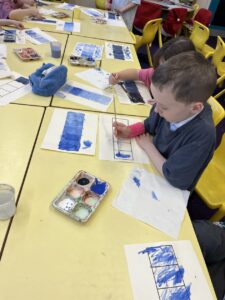
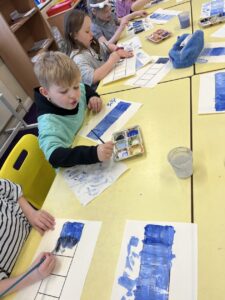
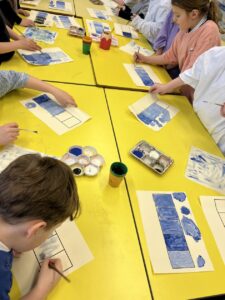
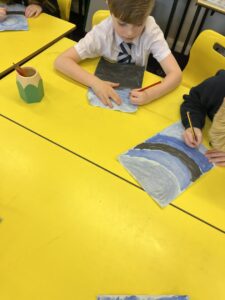
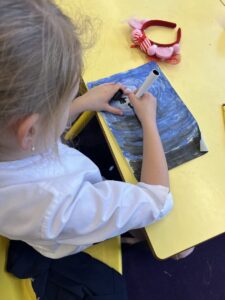
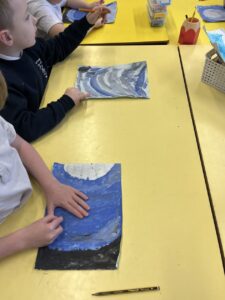
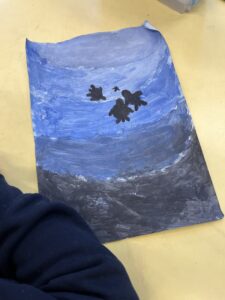
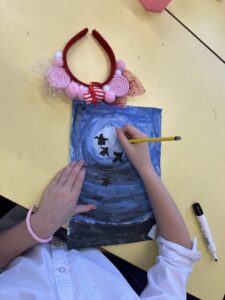
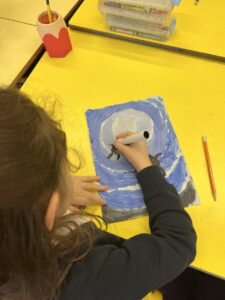
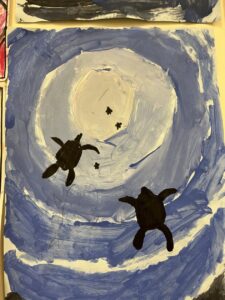
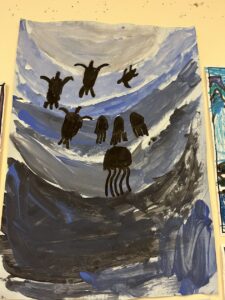
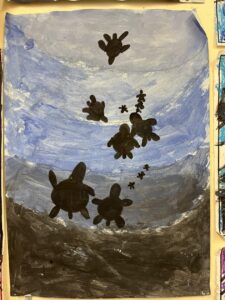
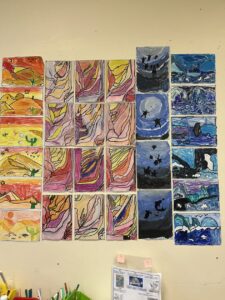
We continued to learn about value and how we can mix black and white with a colour to make tints and shades. We practised mixing blue paint with white and then black to create a gradient. After that we drew our ocean picture and used the shades and tints of blue we had created to add colour.
Our amazing art wall showing all of our art work from this term:

Writing – persuasive writing

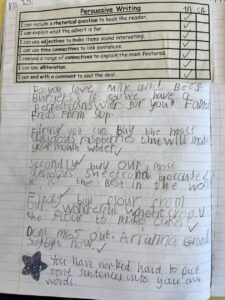
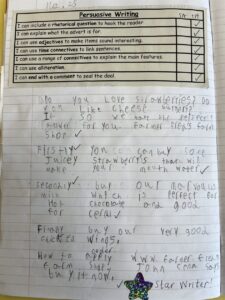
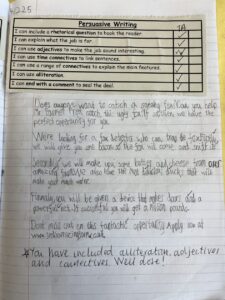
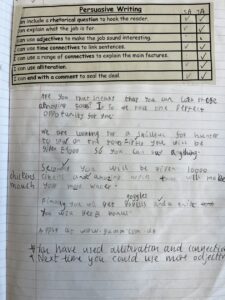
To continue our understanding of how to write persuasively, we wrote to persuade people to buy produce from farmer Fred’s farm shop:

Writing – instructions

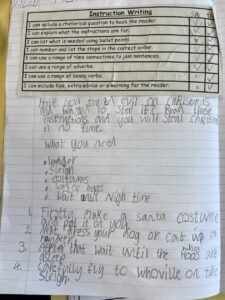
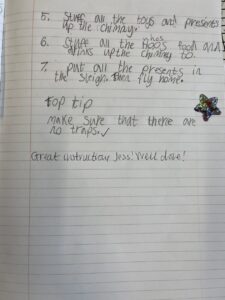
To consolidate our understanding of how to write instructions we thought it would be sneaky to write instructions on how to steal Christmas. Of course we watched parts of The Grinch and took notes on how he did it.

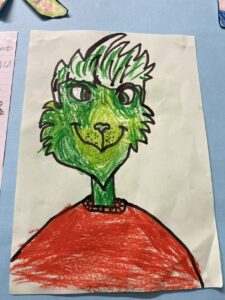
We then drew a grinch version of ourselves to match our writing:

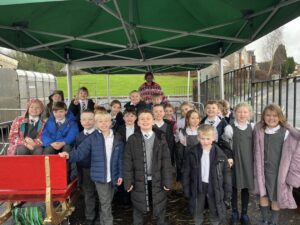
Reindeer Visit:

Christmas Party:

November

Science

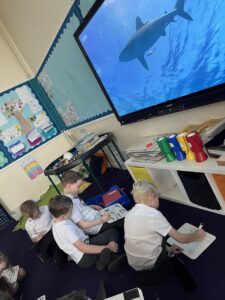
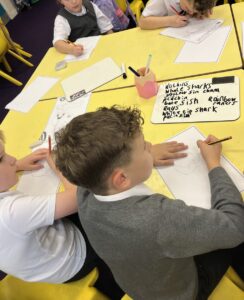
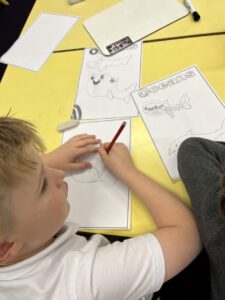
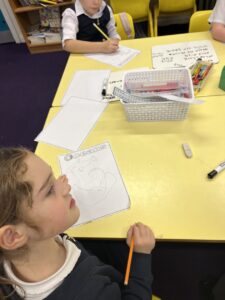
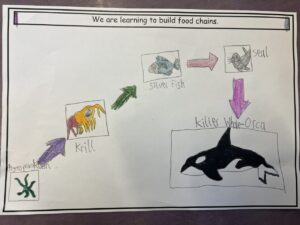
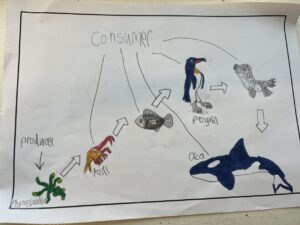
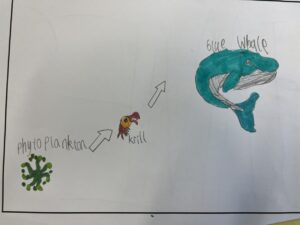
We continued our food chains topic by researching animals that live in the ocean. We watched an episode of Blue Planet while taking notes on the names of the animals and who eats who. We then drew pictures of the animals for our cover page and built food chains.

Art and Design

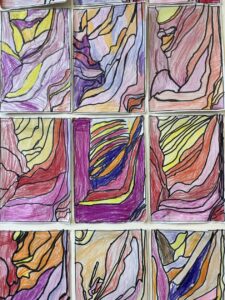
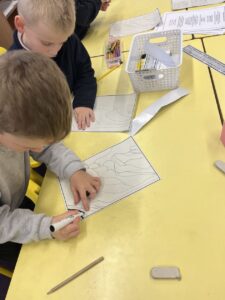
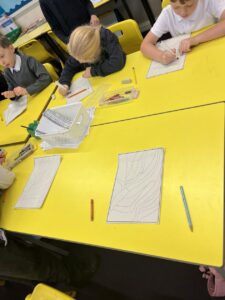
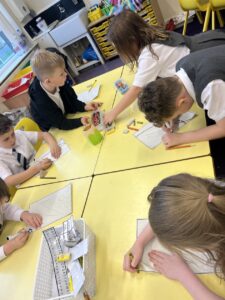
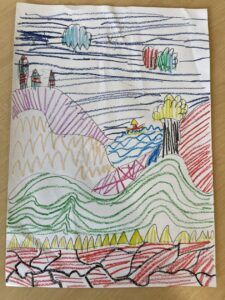
We used different lengths of wavy lines and warm coloured crayons to create a picture of the slot canyons found in South America.

Literacy

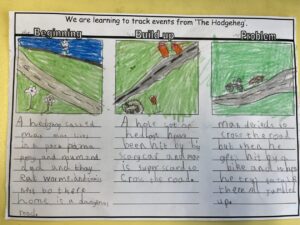
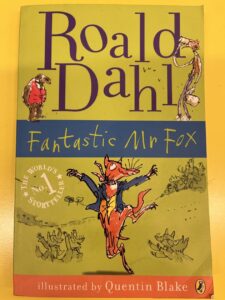
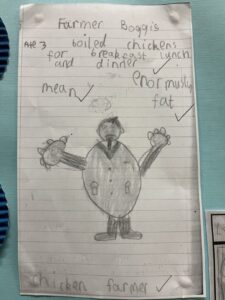
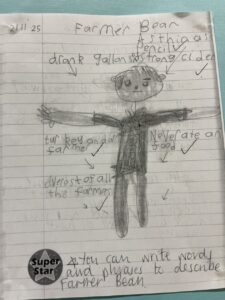
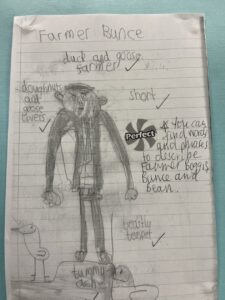
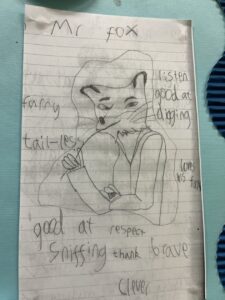
Our class novel this month has been Fantastic Mr Fox by Ronald Dahl to link to our farming topic. We have been learning to find information from a text that describes characters. We have also been learning to track events in a story.
In writing we have been learning how to write persuasively. First, we wrote to persuade someone to apply for a Fox catcher job to help the farmers catch that sneaky fox.

Social Studies

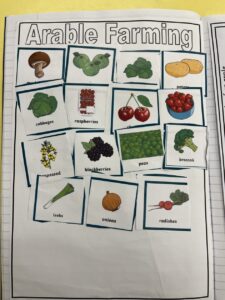
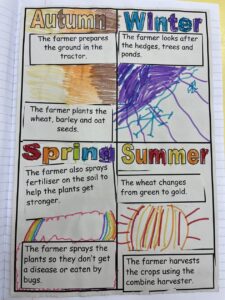
We have been very busy this month learning all about the importance of farming in food production. First we researched what arable farming means after watching videos and taking notes. Next we found out what a farmer does each season on the farm. We made posters to show our understanding.

Outdoor Learning

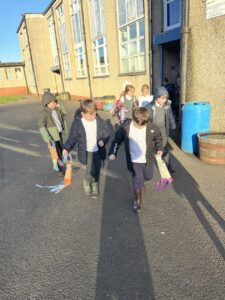
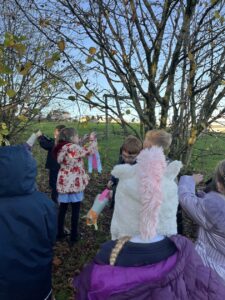
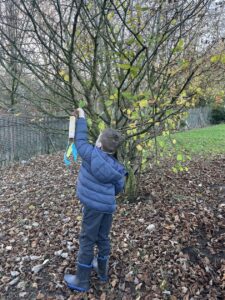
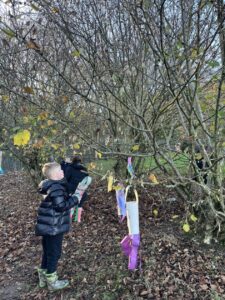
This month we were weather wizards and made a weather sock which can be used to test the direction and speed of the wind.
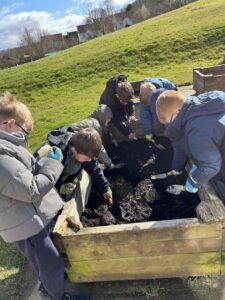
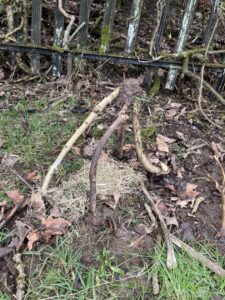
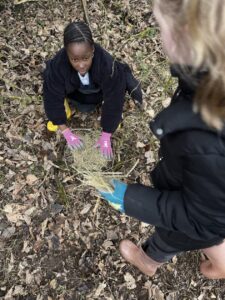
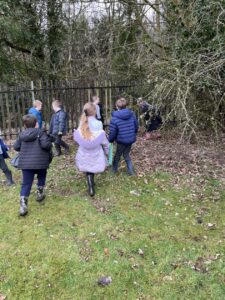
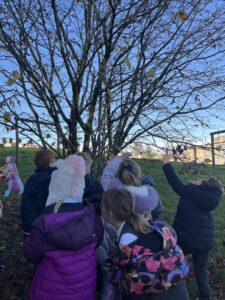
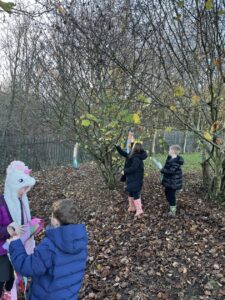
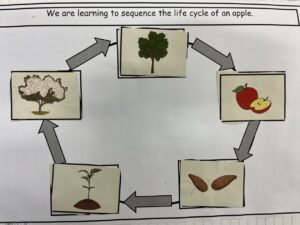
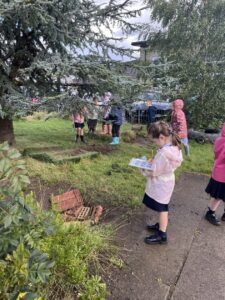
As part of our farming topic, one of our questions was ‘how do apples grow?’ We went outside to look at some of the trees on the school grounds to look for any fruit, flowers and the shape of leaves. We were interested by the hazel tree. After that we came back inside and sequenced the life cycle of an apple tree.

XA turns 60:

Children in Need:

October

Social Studies- Scottish Farming
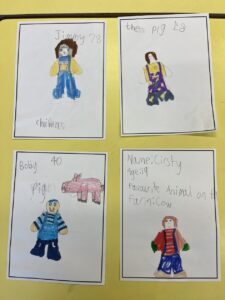
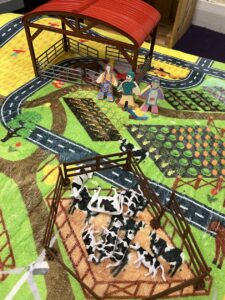
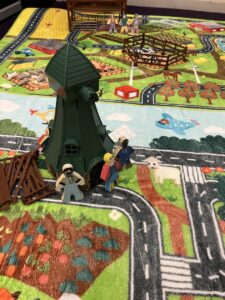
We started our Scottish Farming topic which began with Fred the Farmer writing a letter to ask if we would look after his farm while he was on holiday. He set us the challenge of finding out about the different types of farming and what the role of a farmer is. We created our own farmer character to add to the small world.
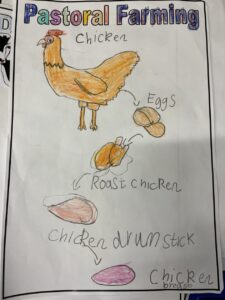
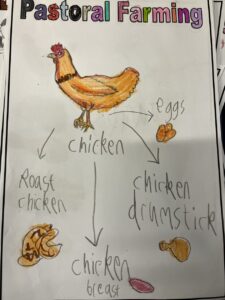
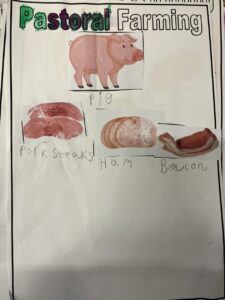
First we learned about pastoral farming so we knew what animals are found on a Scottish farm but also what produce we get from each animal. We made posters to show our understanding:
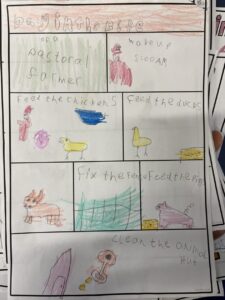
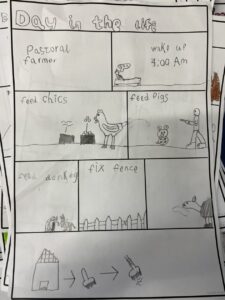
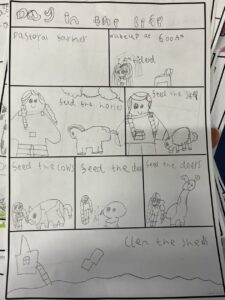
Then we watched videos and took notes on what different jobs the farmer has to carry out each day to look after all the animals on the farm. We made a comic strip to show a ‘day in the life’ of our farmer character working on the farm:
Science – Food Chains – Deserts

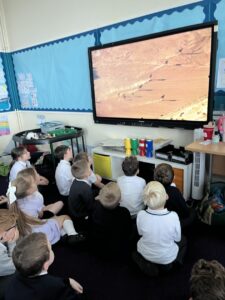
We continued to develop our knowledge of food chains by researching animals found in the desert. We watched some clips from Planet Earth, took notes of the animals found, made our cover page drawings, and build food chains using the vocabulary producer and consumer:
Art and Design – Value and Colour.

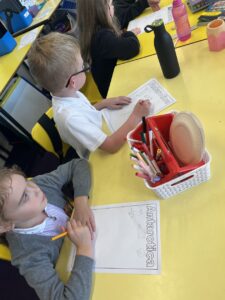
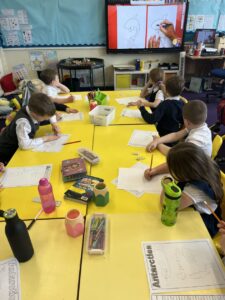
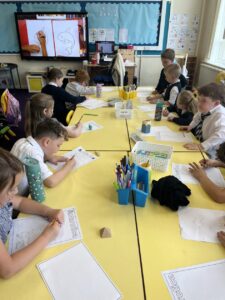
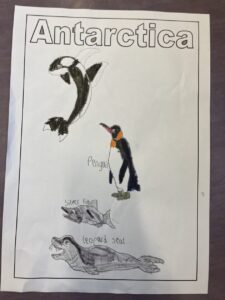
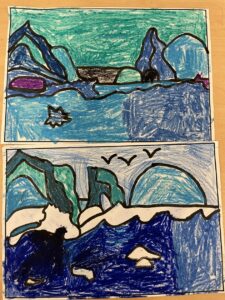
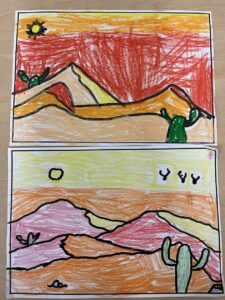
We have been learning about the visual element of value and how you can mix a colour with white to create tints, and mix with black to create shades. We used cool coloured oil pastels when adding colour to our Antarctica drawing, and used warm colours when adding colour to our Desert drawing:
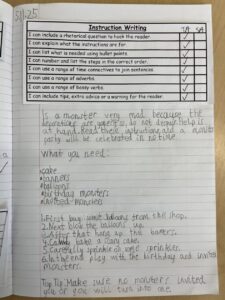
Writing – Instructions

Our writing topic was instructions. In grammar we have been learning about bossy verbs and adverbs. We made posters, listened to songs and played charades to help us remember some examples:

After planning out our instructions, creating a story map and actions, we were ready to write it out. We have been working hard to include everything in the toolkit and use the correct structure:
Outdoor Learning – RSPB Award

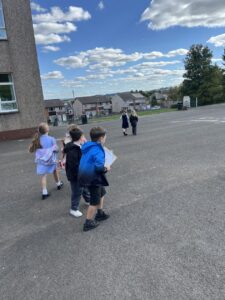
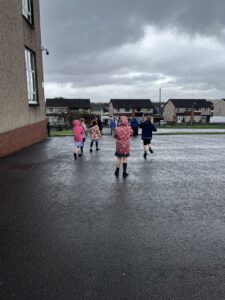
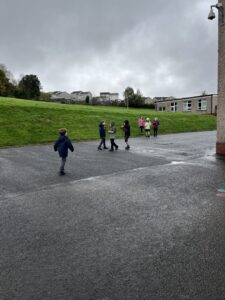
We went on a senses walk around the school and took notes on what we could hear, see, feel and smell.
September

Outdoor Learning

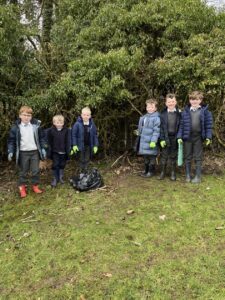
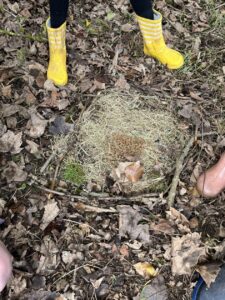
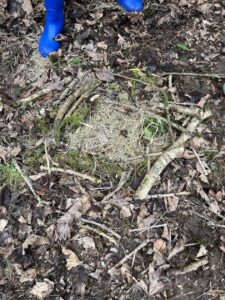
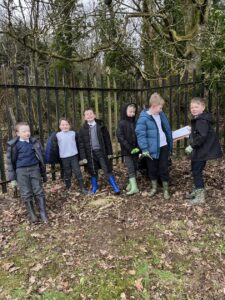
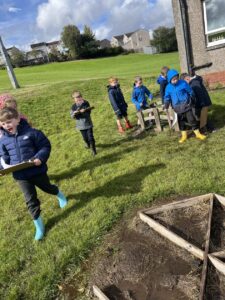
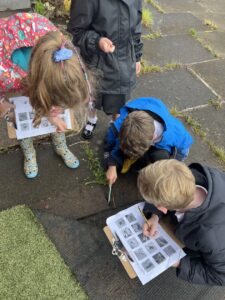
This term we are working towards our RSPB bronze award for exploring and helping nature. So far we have completed a mini beast safari to find mini beasts in our school grounds:
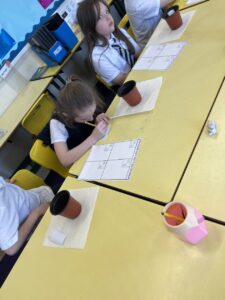
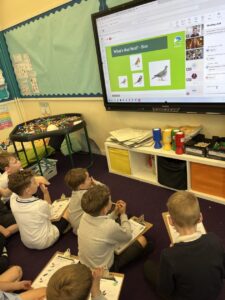
We also completed the Big Schools Birdwatch and then joined a live meeting to find out more about it.
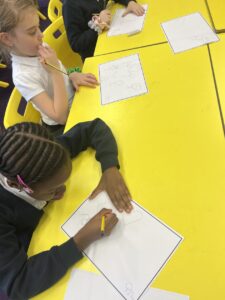
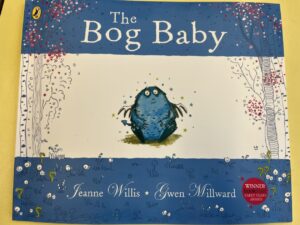
In literacy, our new class novel is ‘The Bog Baby’.


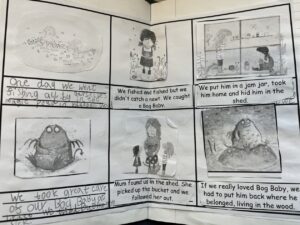
We have been consolidating our sequencing skills by putting events in a logical order.

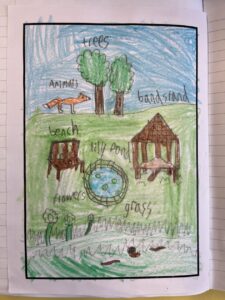
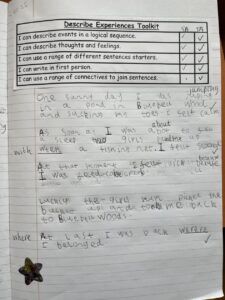
In writing, we have been learning to describe events and characters feelings. After lots of discussion, we described the events from Bog Babies point of view and included how we thought Bog baby would have felt at each part.

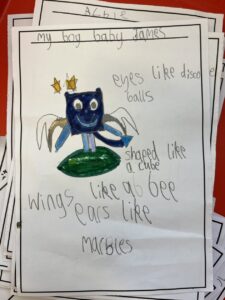
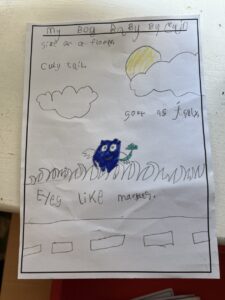
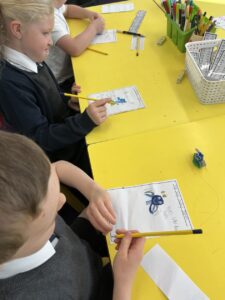
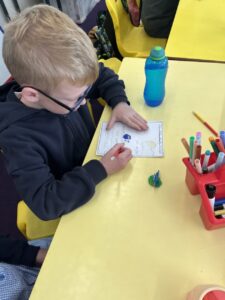
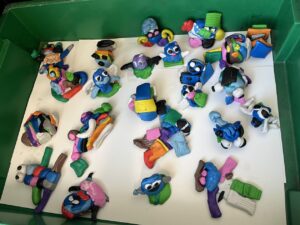
Then we created our own little Bog babies using modelling clay. We then used adjectives to describe their appearance:


Here are all our Bog babies hanging out at Bluebell Wood pond:

Science – food chains 

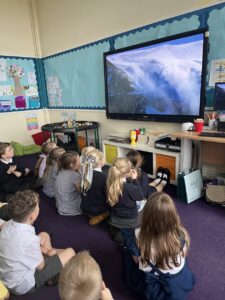
We have started our food chains topic by exploring plants and animals in Antarctica. We watched frozen planet 2 to help us discover what animals live there and find out who eats who.


After that, we were ready to start building some food chains. We are learning some new vocabulary like producer, consumer, predator and prey. A food chain always starts with a plant (producer). The arrow shows the flow of energy from one thing to another.

August

Welcome to Primary 3!

We have started our class novel, Flat Stanley and lots of our learning so far has linked to this.

We have started a kite design for our class charter after lots of discussion about our rights and responsibilities. We have discussed what we need to do so that we access our right to learn and also allow others to learn.

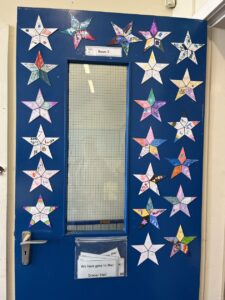
Last year at the taster day we created ‘all about me’ stars 🌟 these are now proudly presented on the classroom door.

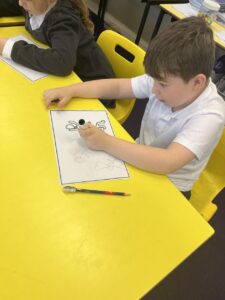
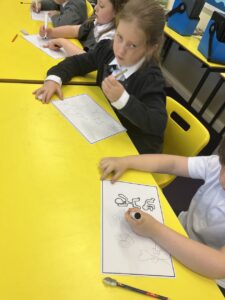
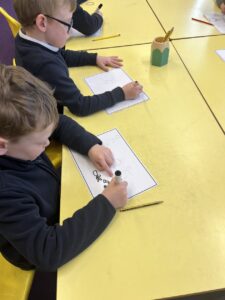
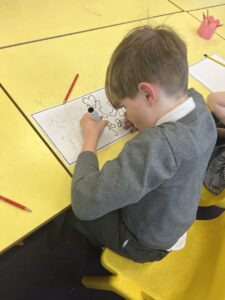
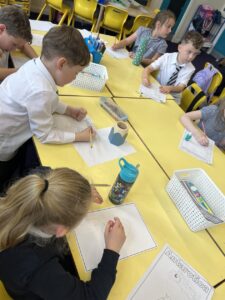
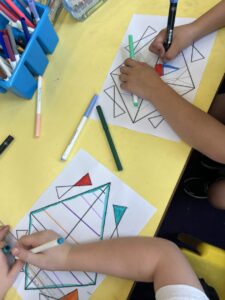
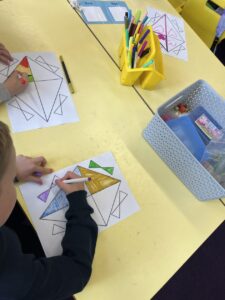
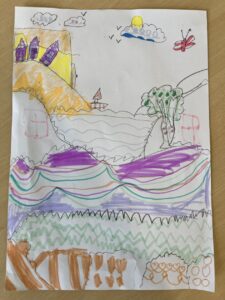
In art, we have been learning about the visual element of line. We used different types of lines to add colour to our art work:

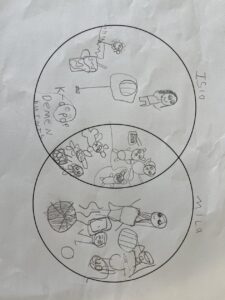
Article 2 we have the right not to be discriminated against. We have been learning that we are all unique and have similarities and differences. We worked with a partner to identify things that are the same and different about us. We recorded our ideas in a Venn diagram:

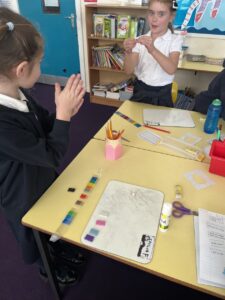
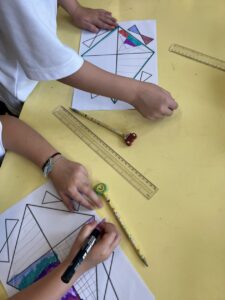
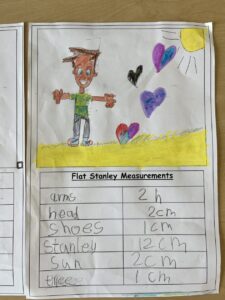
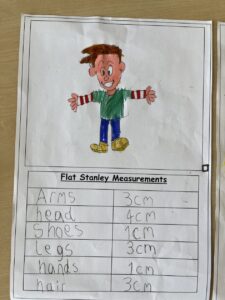
In maths, we started a mini topic of measure to revise our knowledge. We drew a picture of Stanley and measured different parts of his body:


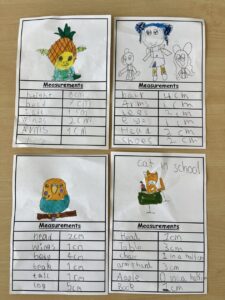
We were then keen to draw a picture of our choice to measure in cm:
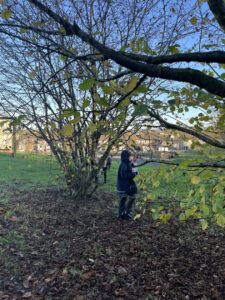

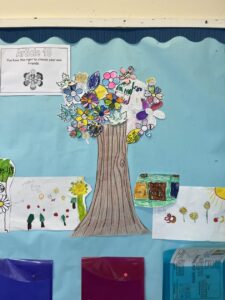
Article 15 the right to have friends. We have talked about what it means to be a good friend and what things we can do to spread kindness in our classroom. We will continue to learn about emotions and friendship during HWB lessons. We created  a kindness tree with all our ideas:
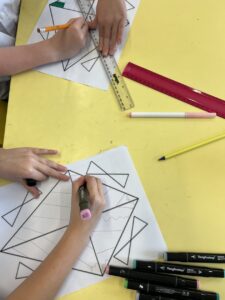
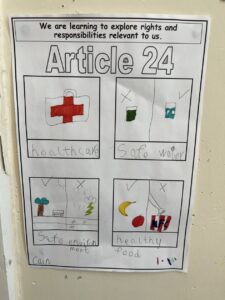
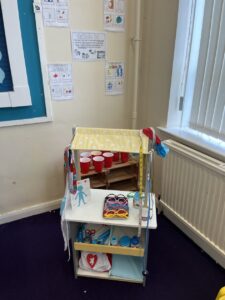
Article 24 the right to good health care. Linking to our class novel, Flat Stanley, we have been learning about other rights that are relevant to us. Stanley went to the doctor for information when he was flattened by a bulletin board. So far we have enjoyed setting up our role play area like a doctors:

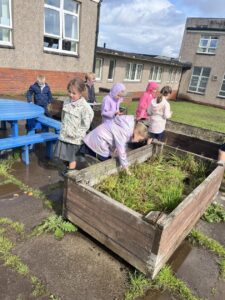
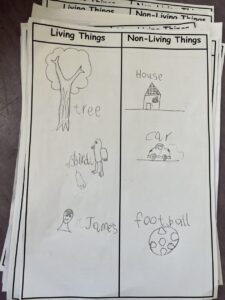
In science, we are learning about living and non-living things. Particularly what makes something alive. We went outside to find things in the schools grounds that are living and non-living.

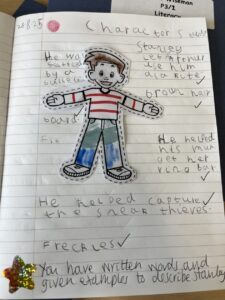
In literacy, we have been learning how to write a character study using information from the book.