Organise for Independence
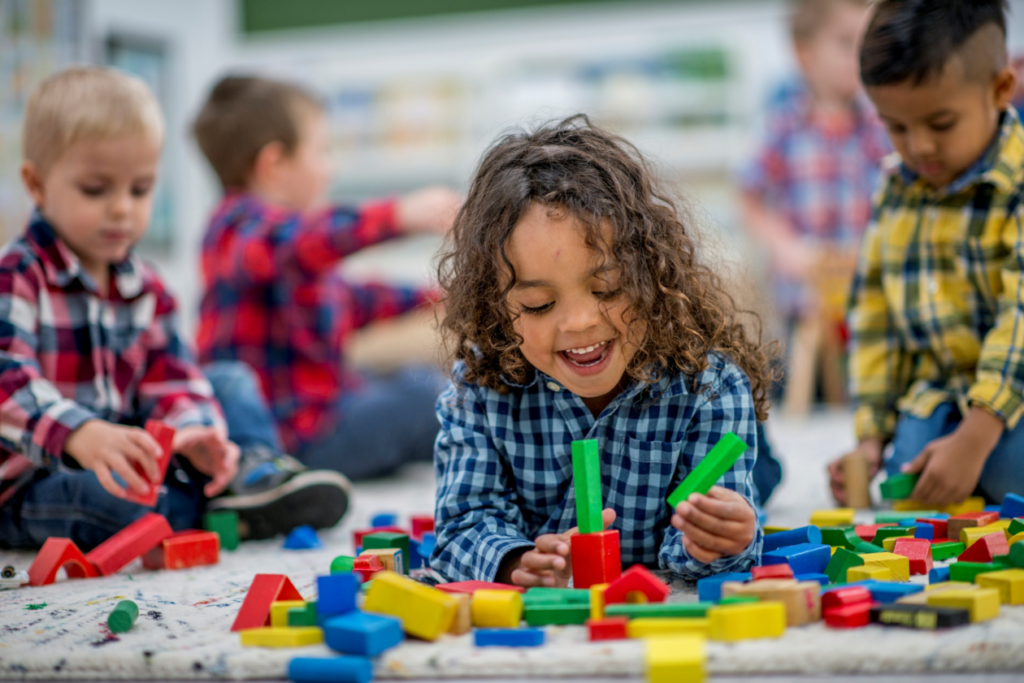
Observe the bilingual children to assess access; if a child does not use equipment or join in an activity ask why not?
· When children first arrive introduce them to the routine using a visual timetable.
· At appropriate times have an adult on hand to assist access e.g. modelling what to do.
· Give the child time to watch others first when a new activity is introduced.
· In all activities be realistic about what a child can achieve but give him/her a challenge too.
Home/nursery links
· Encourage pupils to make links with their home language e.g. find words that are similar or the same with parent’s support and use them.
· Encourage pupils to use their own language (e.g. with peers who speak the same language, listening to songs, nursery rhymes or stories in their own language or use a talking pen with a picture dictionary and repeat the words with the child). These should be used regularly. Songs, rhymes and stories can be recorded or invite parents/grandparents/carers in to sing and read. (For the Talking Pen see Mantra Lingua)
· Label displays in English and the languages of the bilingual pupils so that they can look, see the differences in script and so that the parents can read them to their child.
· Send lists of key words for topics or a new story home so that parents/carers can use the words in their home language to build their vocabulary and aid understanding.
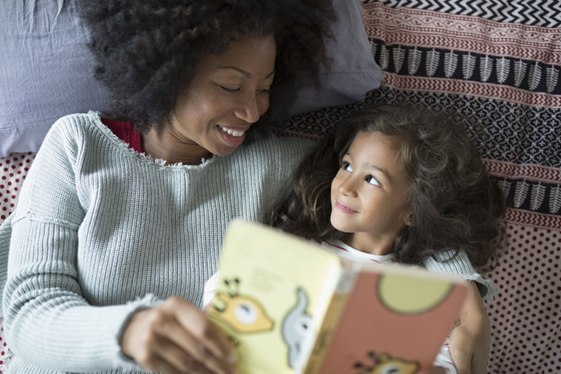
· Send home books that the group is going to share or base a topic on, so that the story can be discussed in the home language. Use bilingual books if they are available.
Further reading

· Aberdeenshire EAL Service advice and guidelines
· Guiding-principles-for-EYFS.pdf (bell-foundation.org.uk) Guiding principles and strategies for practitioners working with learners who use English as an Additional Language (EAL) in Early Years Foundation Stage (EYFS) settings
· Bilingualism in Development: Language, Literacy, and Cognition Ellen Bialystok, Department of Psychology Ellen Bialystok Cambridge University Press, 16 Apr 2001
"Bilingualism in Development” explores language and cognitive development in bilingual children, focusing on the preschool years. It begins by defining what we mean by bilingualism and what the standards are for considering children to be bilingual. Then it examines how children who learn two languages early in childhood develop both linguistic and nonlinguistic cognitive skills."
· Siraj-Blatchford, I. 1994, The Early Years – laying the foundations for racial equality, Stoke on Trent, Trentham The Early Years: Laying the Foundations for Racial Equality: Amazon.co.uk: Siraj-Blatchford, Iram: 9780948080647: Books
· Siraj-Blatchford, I. 1994 Supporting Identity, Diversity and Language in Early Years Education, Stoke on Trent, Trentham
· Learning in 2(+) Languages, 2020, Learning and Teaching Scotland. The National Guidelines.
Learning in 2 + Languages | Resources | National Improvement Hub (education.gov.scot)
· DVDs which explain the various stages of development of children and how to support them. May be useful for parents, or if you ever do parenting groups.
https://www.sirenfilms.co.uk/shop/
Especially:
§ The wonder Year
§ Born to talk
§ Exploratory Play: 7 months to 3 years
§ Learning through play: 3 – 4 year olds – Observation
§ Learning through play: 3 – 4 year olds – Documentary
§ Communicating and Socialising: 15 months to 6 years