Key strategies
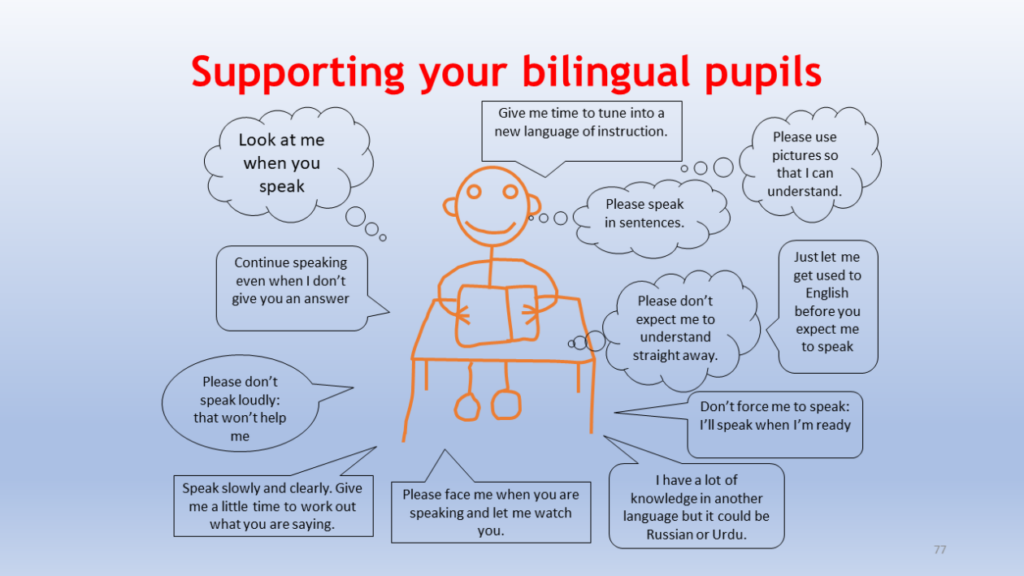
As with all subjects, make use of key EAL strategies (see general strategies section). Some key strategies include:
· using clear visuals.
· making use of first language to support learning using:
o dual language word lists and glossaries.
o dual language dictionaries.
o translation apps including google lens etc (follow good practice – see general advice for more guidance).
· printing out key visuals/info from the board.
· making sure the pupil can access the revision book for the subject.
· using the BBC Bitesize website (English and translated) to support understanding.
· offering past papers with marking instructions so pupils understand what markers will expect.
· encouraging pupils to use Scholar resources.
· offering homework and lunch clubs.
Prior knowledge

Remember to consider the pupil’s previous educational experiences. They may come with knowledge of a range of science concepts and vocabulary in their first language. They may have covered some areas of the curriculum that you have not yet covered in class and likewise, they may not yet have covered some areas that you have covered.
First Language
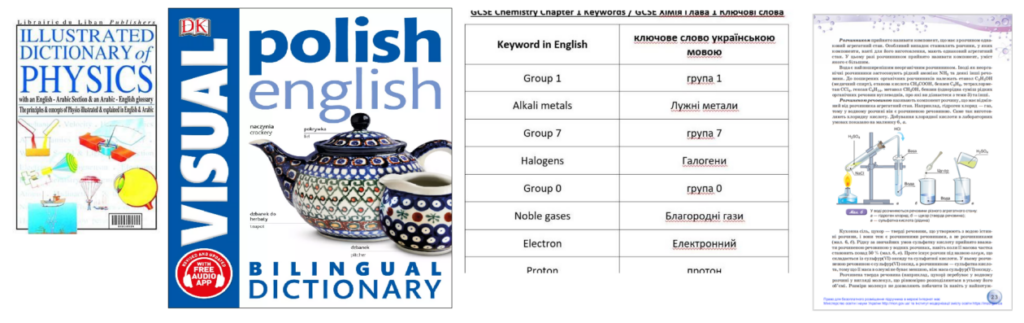
Use translated resources and glossaries if literate in first language.
Supporting the language of science
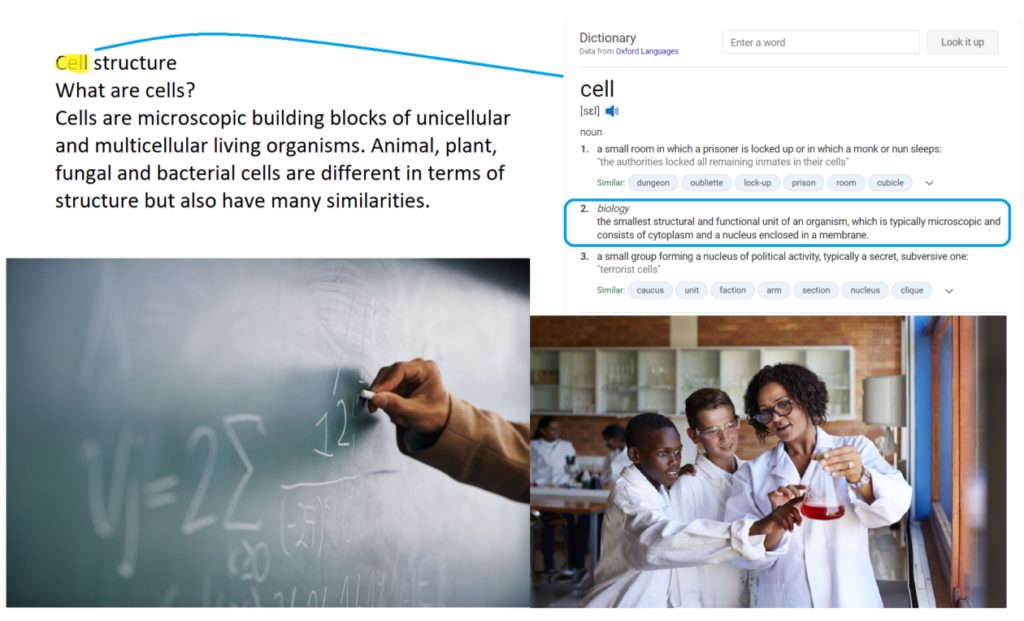
Include the pupil in a group with peers who are a good model of language and behaviour. Provide context for new vocabulary through demonstration, visuals etc. using target vocabulary in spoken and written form alongside practical examples for context.
· As well as subject specific technical vocabulary, there will also be subject specialised words that have a different meaning in the context of the subject, for example: Concentration can mean to focus on something but in science can also mean the amount of a substance in a defined space.
· Dual language dictionaries, word banks and glossaries will be helpful in supporting new language. Pre teaching vocabulary and sharing key vocabulary in advance of learning will be helpful. A range of media including visuals, videos, practical demonstrations etc will also support learning of new vocabulary and structures of language. Give pupils opportunities to practise using new language including units such as m/s².
· The tenses and structure of academic language required for science may also be unfamiliar and pose a challenge.
Lots of exposure to new structures in context will be helpful. Encourage all pupils to use new vocabulary and structures during practical activities.
· The format of reports and scientific texts may be unfamiliar and be challenging to navigate.
Look at examples of texts and highlight key aspects, including the types of language used. Highlight any key vocabulary used including not only subject specific vocabulary but also homonyms (words with more than one meaning) that may have a different meaning to what the pupils would expect. Also point out the style of language including tenses etc. Ensure pupils have access to examples that they can use as a model for writing.
Cognitive level vs linguistic level
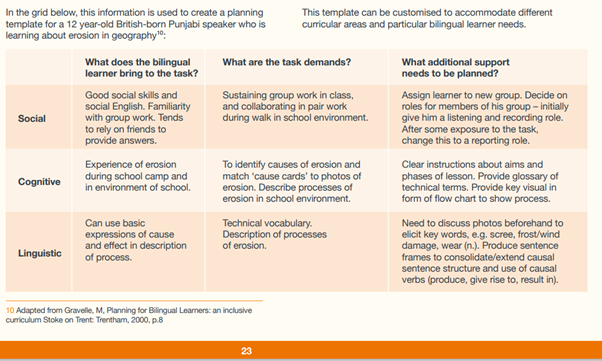
Do not hold the pupil back in science or put in a low set group just because of unfamiliar language – many pupils arrive operating at an advanced level (it is important to refer to translated school reports from the pupil’s previous school to confirm their skills across the curriculum).
Science in different languages and cultures
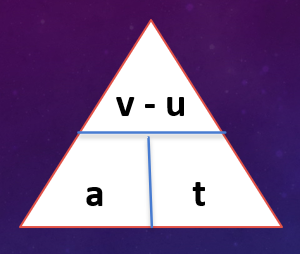
Be aware of the many different mathematical symbols and methods of computation used in other languages. See the maths advice for more information. There may be differences in how concepts are taught. For example, pupils may not have learned to use a triangle to represent a formula and may not understand what the lines mean or how to use the triangle.
These links have some further reading on how science is taught in some other countries:
What Science Teaching Looks Like: An International Perspective (ascd.org)