Pre-teach key vocabulary
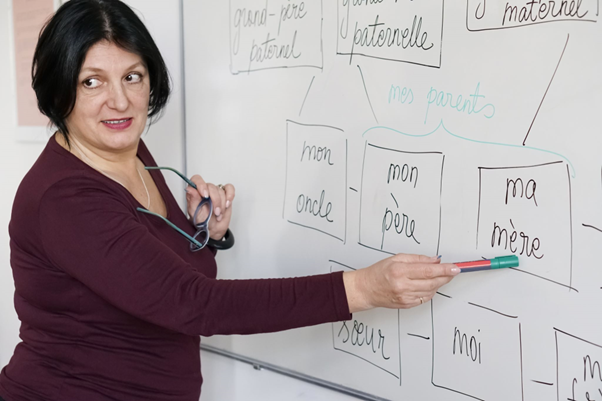
Pre-teach key vocabulary using visuals. Pupils learning English as an Additional Language need additional exposure to words and opportunities to practise the production of new words and sounds. A list of key words could be shared with the pupil to take home and discuss in first language with their families. Play games to reinforce key vocabulary e.g. point to the word, word bingo, snap cards, dominos, barrier games etc.
To build reading vocabulary, teach words in context and support with visuals.
Producing a key vocabulary list with the pupils prior to writing will help the pupils to learn the words in context and will also give an opportunity to produce a list that the pupils can refer to throughout the lesson. They could also annotate it with the first language translation to support translanguaging.
Use glossaries
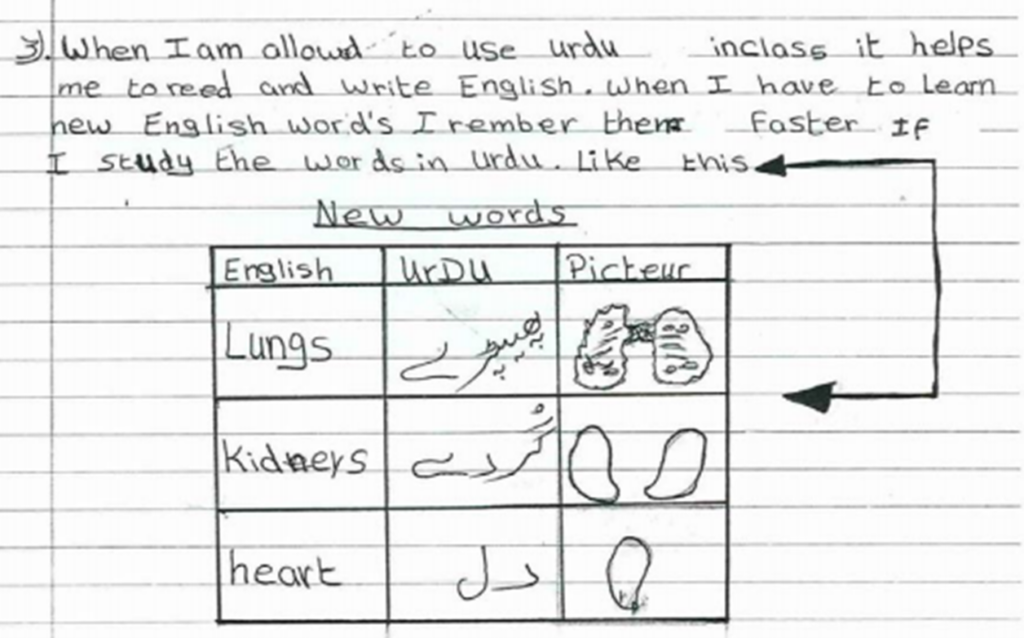
Encourage the pupil to create their own glossary with sets of associated words e.g. food words, transport words, topic words. Cut up old catalogues/magazines to illustrate words. (Gives ownership). They may choose to add the first language equivalent.
Underline new vocabulary
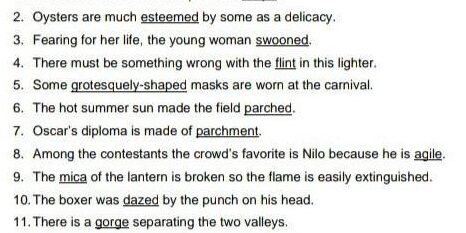
The pupil should be encouraged to underline words that he/she is unfamiliar with. This should help teaching and support staff to determine where he/she is having difficulty with subject language or where there are gaps in previous learning.
Image from choose from the box the correct meaning of the underlined word as used in the sentence - Brainly.ph
Use word mats/displays
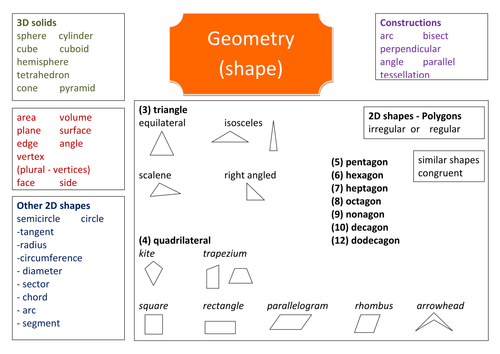
A range of displays and word mats are available on Twinkl and other websites. You can also create your own as outlined in the section on Translanguaging under Listening and Talking. Whether subject specific or mature vocabulary, these provide a way to support pupils in understanding and using new vocabulary.
*It is important to make sure that any vocabulary has been spoken about so that pupils have had some exposure to the language in context.
**Remember to make sure that pupils are seated in a place where they can see the board and important displays.
Image from Word Mats Literacy in Mathematics KS3/4 Resources | Teaching Resources (tes.com)
Topic webs
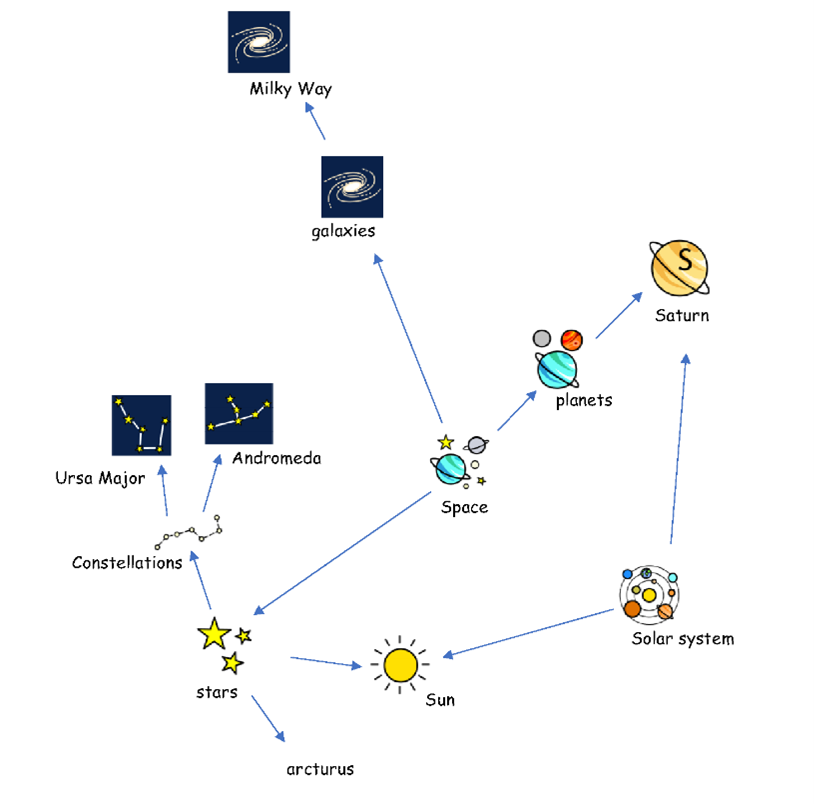
Use topic webs to provide a helpful display of subject specific vocabulary.
Dual language dictionaries
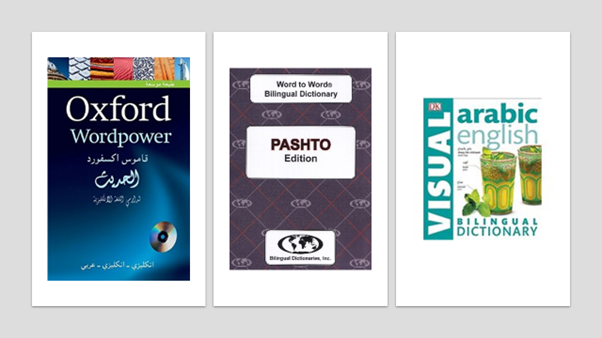
Pupils who are literate in first language will benefit from a dual language dictionary. Be aware of SQA Guidelines on assessment arrangements which include guidance on use of a bilingual dictionary for candidates who speak English as an Additional Language.
For supporting the curriculum, DK’s Visual Dictionary is available in some languages. L1/English word power dictionaries are helpful. You can find these from a range of sources including Amazon, Browns Books and many other suppliers. Bilingual dictionaries must be word to word only for use in exams. Please ask the EAL teacher for more advice.