
Use talk prior to writing

Can the pupil say what they want to write? That should always be the first step. Use activities to provide spoken models of what the pupils will be writing. This could include:
o Teacher/peer modelling of what they might write through listening, talking and reading activities.
o Group/paired work initially helps EAL pupils make connections and copy expected conventions. (Peer modelling). Think Pair Share, placing the pupil with a pupil who will be a good model of English.
Realia

Use realia (objects from real life), concept cartoons, mind maps/concept maps (to visualise). This could extend to images, audio and video. It is so much easier to grasp a concept when all of the senses are used.
Function of writing
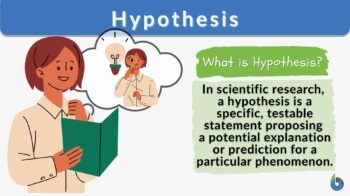
Develop pupil awareness of the function (e.g. description; explanation; justification; prediction; analysis) and associated language structures.
Image from Hypothesis - Definition and Examples - Biology Online Dictionary
Model tasks

Demonstrate what you are looking for (spoken and written) to give models of what you are expecting.
Identify key elements (overall structure; key content; key phrases; key subject-specific vocabulary).
Provide/display samples for pupils to refer to. This may include a frame to provide the target structure.
Scaffold sentences
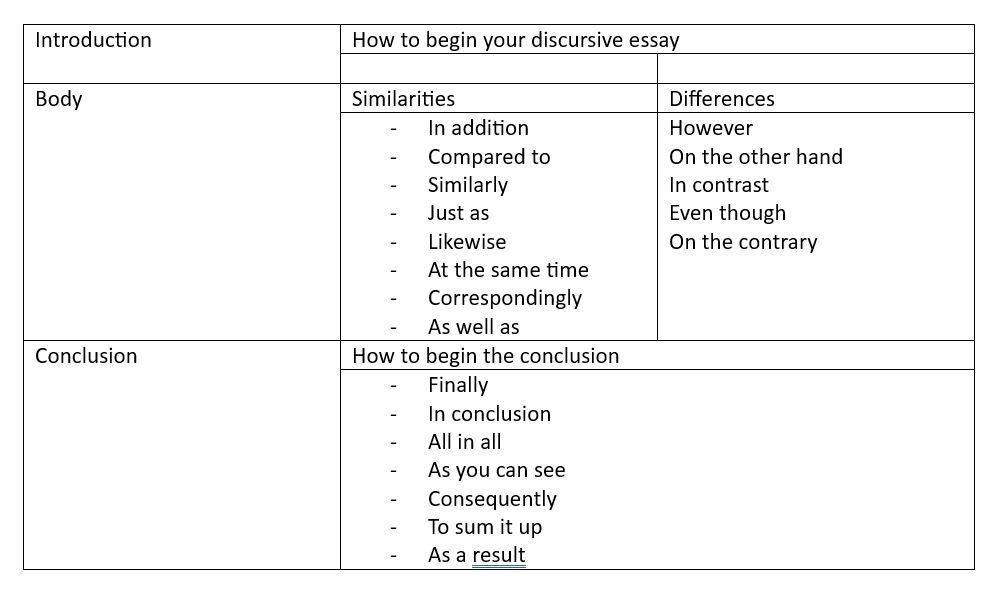
Scaffold sentences using a range of strategies.
Some activities can use repetitive structures, including character descriptions, setting descriptions, some stories and poems. For activities such as this you can scaffold writing by giving sentences of the same structure with more gaps left each time. This allows pupils to insert words in the appropriate place, referring to the earlier model. Using illustrated dictionaries/glossaries the pupils can be supported in writing independently.
Brian has brown hair and blue eyes.
James has ___ hair and ____brown eyes.
Emily has ____ _____ and ____ ____.
Ryan ___________________________.
Another helpful strategy is to break the writing task down into its key features with examples of the different phrases and sentence starters that will be relevant for each section. Writing frames and graphic organisers are a useful resource to support this.
Image based on content from Sentence Starters for Scaffolded Paragraph & Essay Writing - Upper Elem. & Up (teacherspayteachers.com)
Supporting structure of writing
Supporting structure of writing
The following strategies can support pupils in structuring their writing.
Cloze passages
To begin with pupils may be focusing on meaning at single word level. Using cloze/gap fill sentences will allow them to show their understanding of concepts. (The man had ____ hair). As understanding develops, more words could be omitted from the sentence.
Sequencing tasks
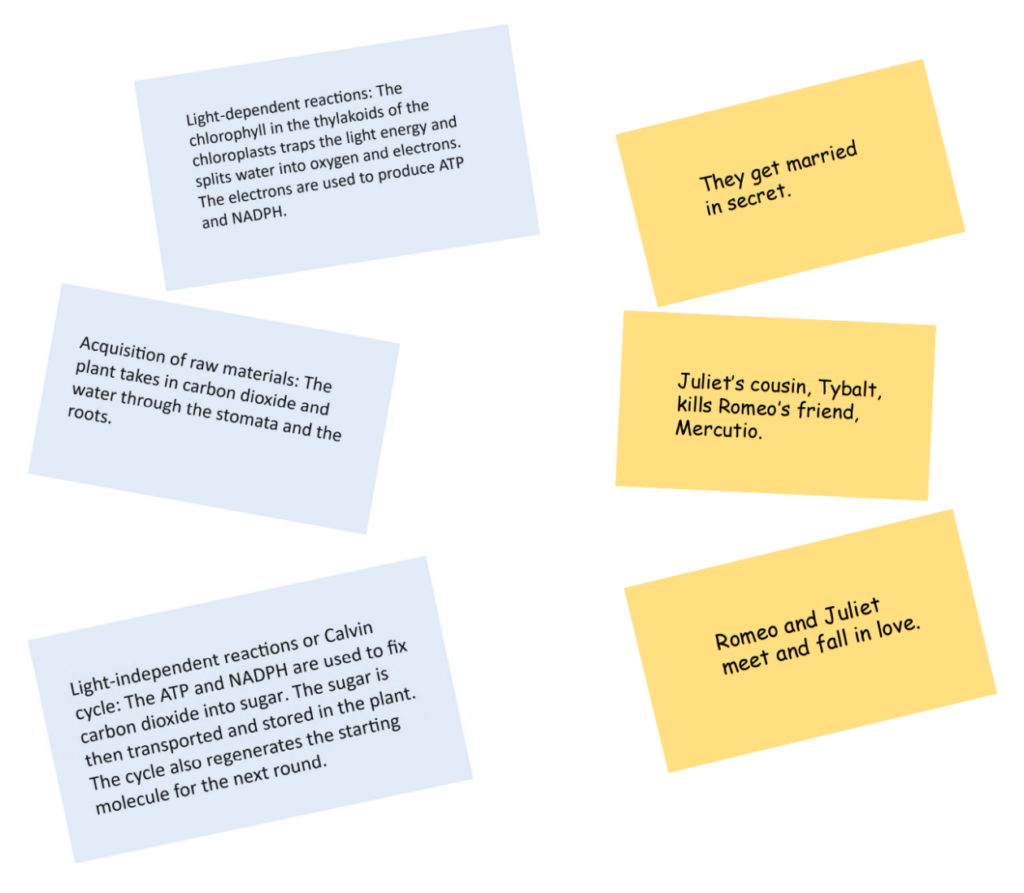
Asking pupils to sequence objects can help them to express their understanding and will help them to build understanding of how to structure writing. They may wish to copy the sentences when they have sequenced them, or to stick the words down and perhaps write the sentence in first language alongside. Activities could include:
· sequencing pictures to show understanding (pictures could have words alongside).
· sequencing words to form a sentence.
· matching halves of sentences that have been cut up.
· sequencing sentences to form a story.
Image based on resources from the Bell Foundation
Substitution tables
Substitution tables are a great way of helping scaffold sentence structure for bilingual learners who are still acquiring the language and skills needed to form sentences:
The following link has more information on how you could use substitution tables in primary or secondary:
What is a substitution table and how can they be used to support EAL learners? - EAL Hub
Text marking
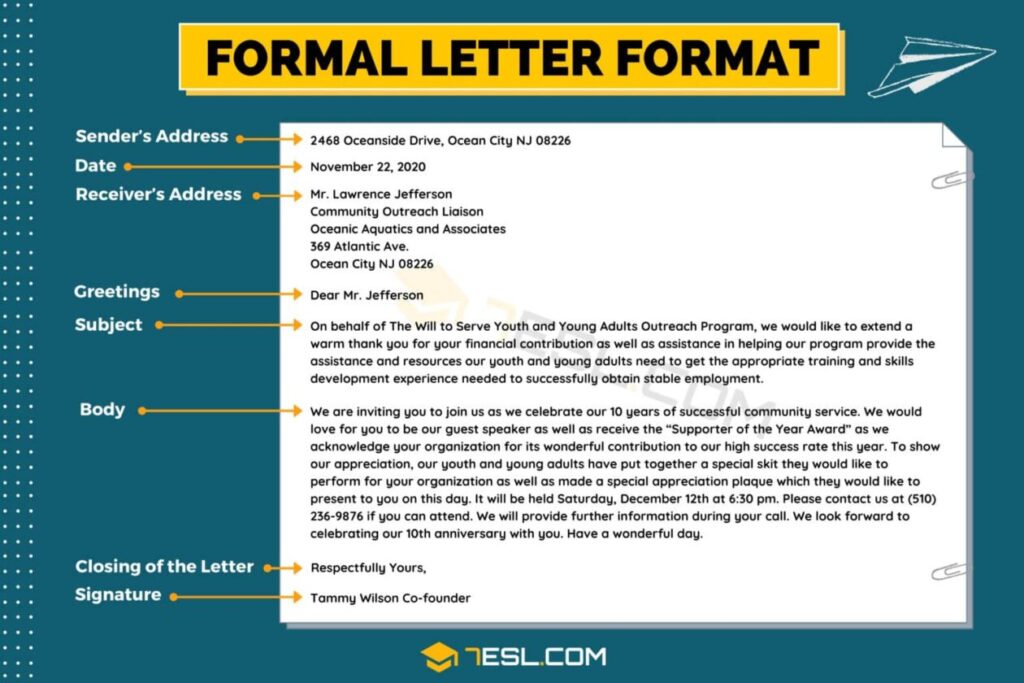
Support the pupil to circle or highlight key features, elements or words in texts.
See What is Text-Marking? | Twinkl Teaching Wiki - Twinkl
Image from Formal Letter Format: Useful Example and Writing Tips • 7ESL
Graphic organisers
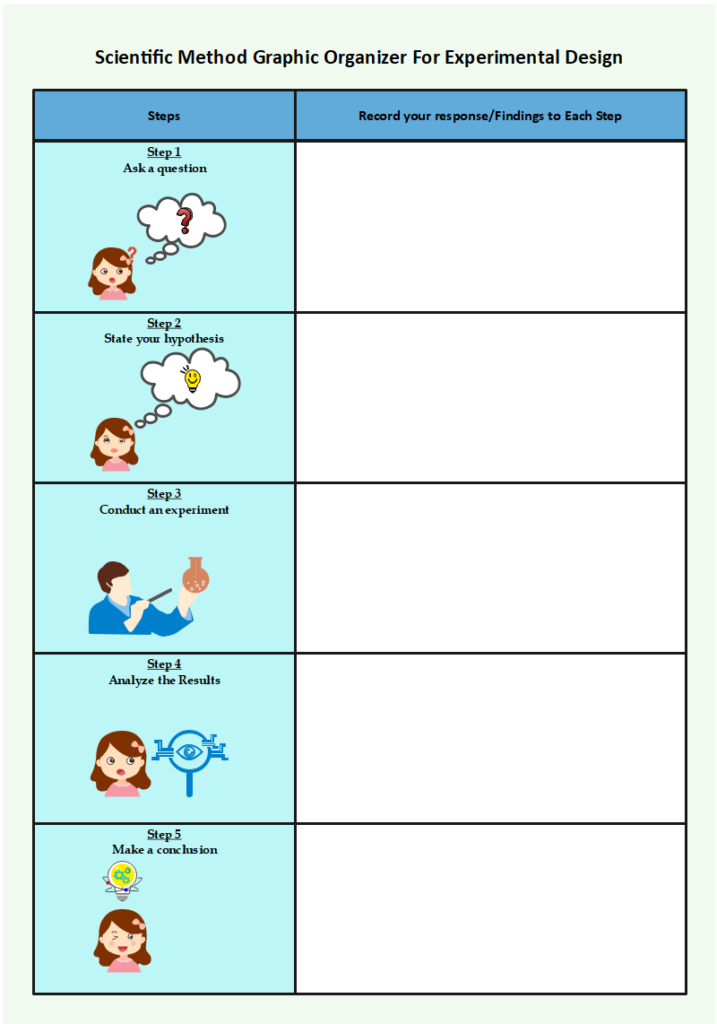
Writing frames/Graphic organisers are available from many sources and help pupils to visualise how to structure their work. These can include sentence starters, structure for writing (e.g. letter, postcard, instructions etc.)
Image from Free Editable Scientific Graphic Organizer Examples | EdrawMax Online
A good sequence for developing writing

Try using this sequence – talk with peers, practise words and sentences, write together, write independently, and review (Separate sessions, later doing all in one session as pupils advance in use of English).
Correction

Encourage independent editing: indicate omission of word, grammatical mistake or spelling mistake and ask pupil to correct it.
See more information here: Correction code | TeachingEnglish | British Council