Purpose for Reading

To help learners understand the purpose for reading, set questions before reading the text to prevent decoding skills being solely used.
Question Words
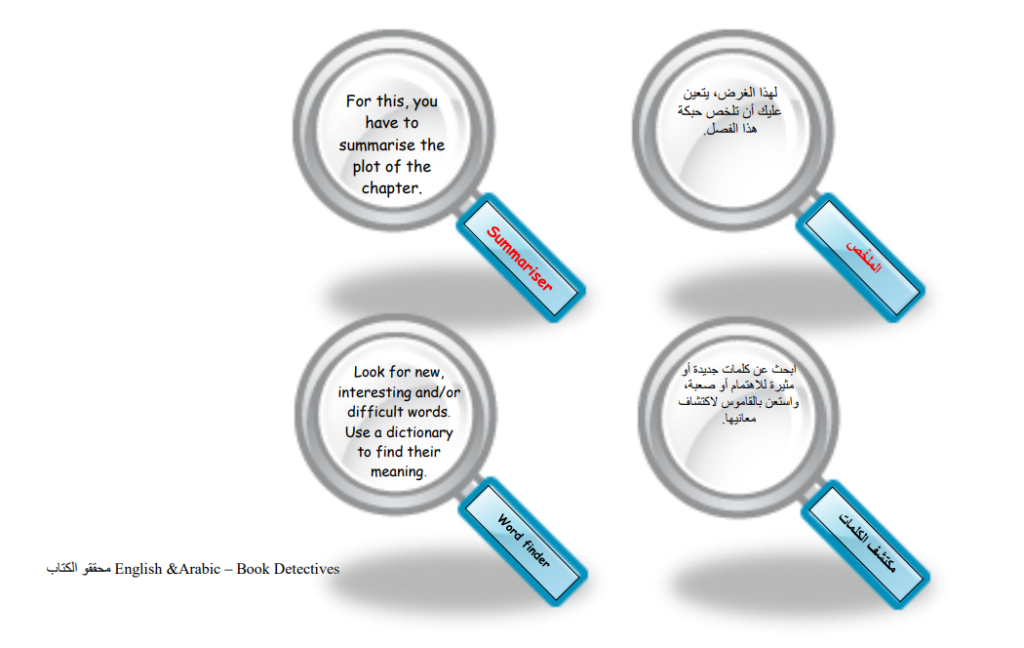
Introduce question words gradually – Who? What? When? Where? Why? (Use Question Master – book detectives). Translated Book detectives are available see the starter packs of resources available in this toolkit or ask your EAL teacher.
Graphic Organisers
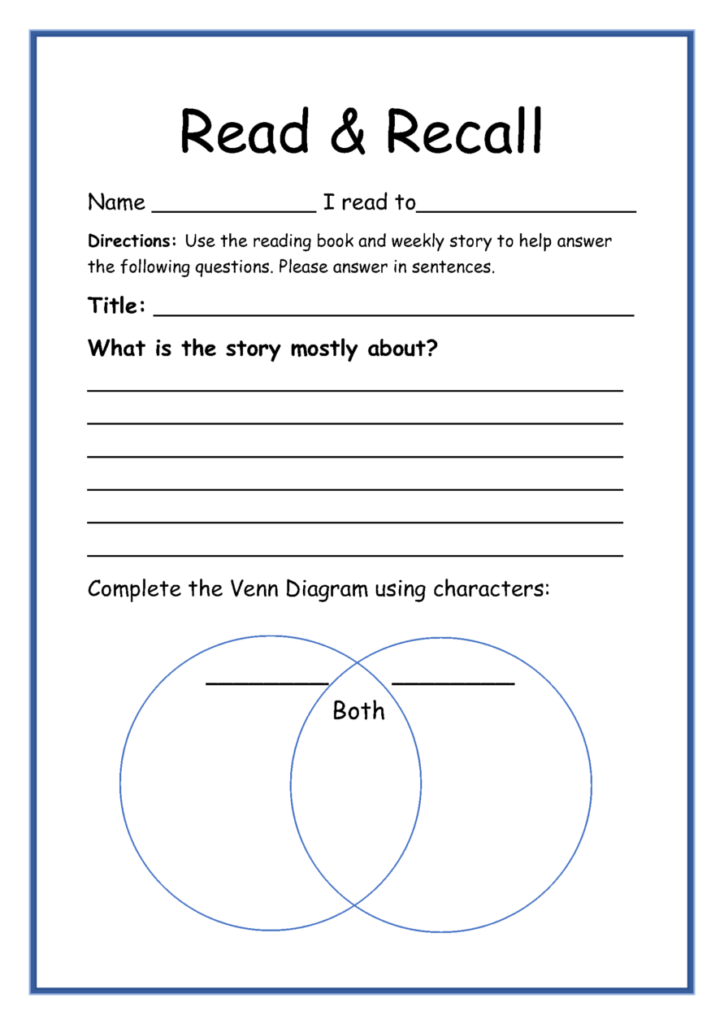
For reading comprehension/topic reading activities, use printed graphic organisers to help learners visualise the task. There are many good examples of these available from a variety of sources including Twinkl. See below for more information.
Graphic Organisers - The Bell Foundation (bell-foundation.org.uk)
Graphic Organisers | TeachingEnglish | British Council
The Ultimate List of Graphic Organizers for Teachers and Students | Creately
Sequencing

Use sequencing of pictures to support retelling of stories e.g. Photo copy pictures/pages from the book for children to sequence. As literacy skills develop, children can sequence words into sentences, and then sentences into paragraphs. These can be cut and stick activities with the option to write them in English (or in first language if literate in L1) when the child is ready.
Collaborative Reading

Use collaborative reading activities e.g. info gap/jigsaw reading (where groups have to answer different questions and feed back to other groups, or they have to summarise a part of the story to another group).
Choosing Books

Choose books with a lot of repetition to consolidate vocabulary and structure of sentences.
Recognise how important it is to choose suitable reading books- look at content to check if texts are culturally insensitive or contain themes out with the child’s experiences e.g. looking at skiing with a child who lived in a desert climate. It is appropriate to introduce new vocabulary and experiences, but these would need to be introduced through visuals, realia and experiences (rather than assuming children have prior knowledge of the subject).
Idioms

Beware of idioms- translation is usually literal and can cause confusion – I’ll give you a ring tonight’, ‘It’s raining cats and dogs’.
Audio Books

Use Audio Books. These allow children to listen to models of pronunciation as they read along and are also available in first language which can be helpful for ERIC time if children are not literate in first language and need some time to rest after learning in English all day. These can be accessed from a number of sources including:
Dual Language/L1

The EAL Service can signpost a range of places to borrow/buy books. Some are available through the library service. EBooks and hard copies of a range of titles are available in first language and dual language formats. Dual language is especially helpful as these provide the opportunity to compare languages and build understanding in English supported by first language. Some suppliers include:
Browns Books (brownsbfs.co.uk)
Dual Language Books for Primary Schools | Badger Learning
· Dual language and first language books can be used to support paired reading. This could be mixed ages and in first language and/or English. It is helpful when there are other children literate in the child’s first language, but not essential; Audio books/talking pens etc can support multilingual paired reading.
· Parents can visit and read in L1. The class could listen to a story in English and in first language, read by parents, playing games or comprehension activities based on the book. This is also a good activity for children with English as a first language as it helps them to appreciate what it is like to experience a language they don’t understand.