What does it mean?

In a culturally responsive school, all staff will:
· Stay informed about different cultures, without making assumptions or judgments.
· Get to know pupils, their families, and their cultural backgrounds, and respect their differences.
The whole school will:
· encourage pupils, families and staff to be proud of their different cultures and languages.
· provide opportunities to celebrate the diversity of the school community through display, assemblies, classroom learning, trips and other events.
· develop a climate where diversity is not only accepted but celebrated without fear of discrimination. There are many resources which will support this including:
§ Equality and Diversity - The General Teaching Council for Scotland (gtcs.org.uk)
§ What is Diversity? | Twinkl Teaching Wiki - Twinkl
· ensure that the resources represent the range of backgrounds and cultures in school. This could include resources such as posters, books with locations, themes and characters from different cultures.
· ensure that the curriculum includes learning about people, places and topics from different cultures. Also be aware that any topic may be taught and understood from a different point of view when viewed through a different cultural lens, for example teaching about history or current affairs.
Check out these links for more information:
· 5 steps to becoming a culturally responsive teacher – Teach Away
· A Guide to Culturally Responsive Teaching and Resources (routledge.com)
· How to Get Started With Culturally Responsive Teaching | Edutopia
What can you do?
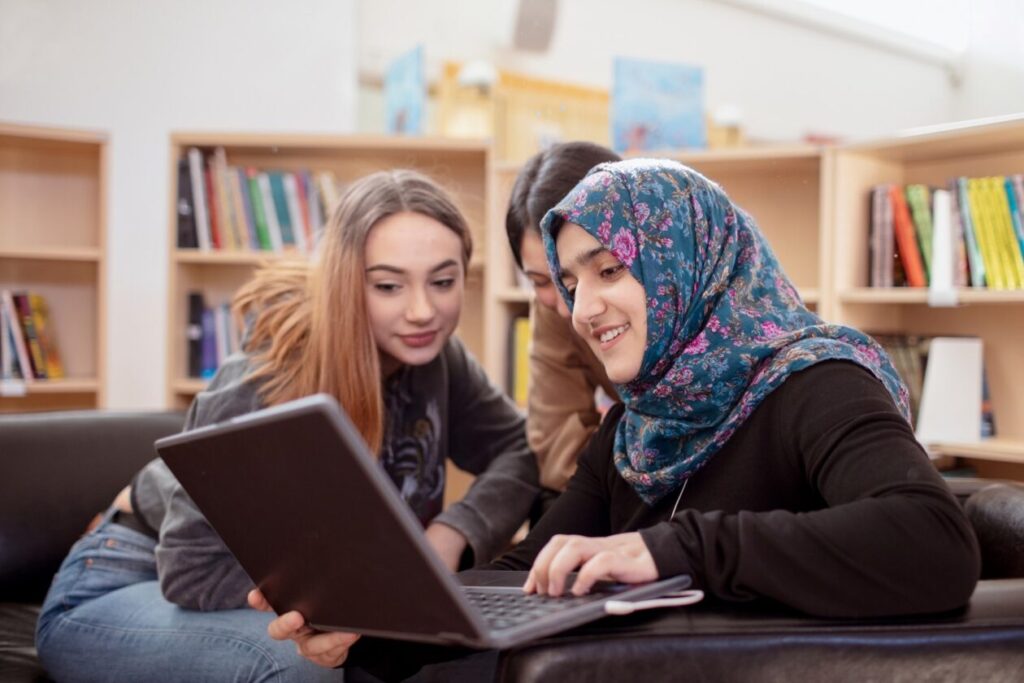
There are many opportunities for whole school celebration of the diverse range of backgrounds and cultural experiences that make up the school community. Some ideas include:
· Creating opportunities for pupils, parents, friends, teachers to be involved in sharing their different experiences.
· Making use of local community resources e.g. the mosque, Ukrainian hub, first language schools etc.
· Learning songs, rhymes, stories and poems from different cultures and languages.
· Exploring food from different cultures and comparing the differences and similarities. This could be part of a one off or regular food sharing event, or as part of classwork.
· Setting up a ‘culturally responsive club’ to make best use of the range of cultural and linguistic backgrounds within the school. A group should include volunteer pupils from all language backgrounds, be inclusive, not a clique, and be supported by an adult to facilitate.
Group roles could be to:
· offer a safe space to discuss the school’s approach to linguistic and cultural diversity.
· support development of school policy and improvement.
· communicate with the school community about what they want to achieve and how.
· organise language of the month activities, including a role in presenting to classes and assemblies.
· create displays to showcase any learning about languages and culture including multilingual signage. These signs could be audio enabled using mantra lingua stickers or other technology such as QR code readers.
Useful links:
Building Racial Literacy | Programmes | Learn | Professional Learning | Education Scotland