Sequencing
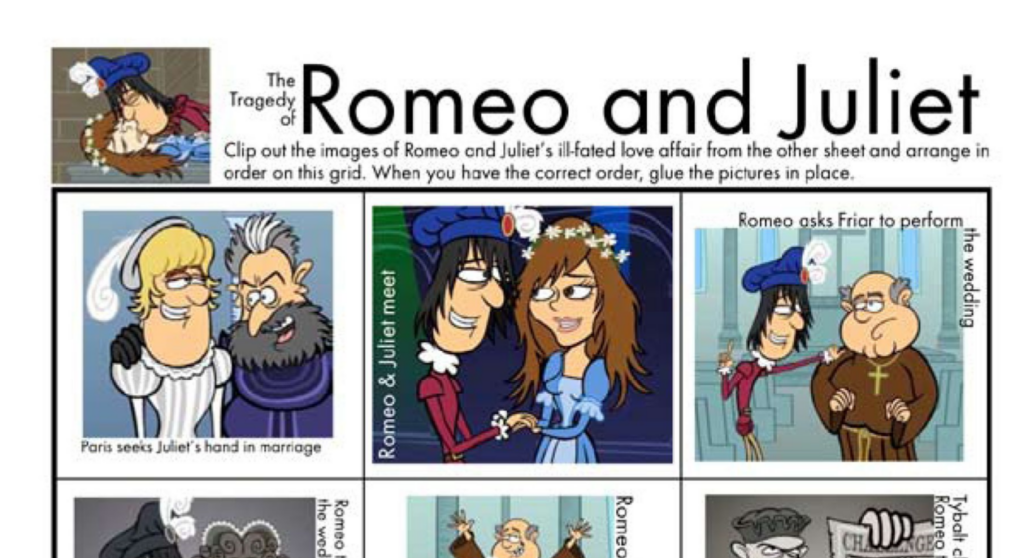
Use sequencing of pictures to support pupils in showing their understanding of a text, sequence or process. As literacy skills develop, pupils can sequence words and then sentences or paragraphs. These can be cut and stick activities with the option to write them in English or in first language (if literate in L1) if or when the pupil is ready.
See this information from the British Council: Interacting with texts - Directed activities related to texts (DARTs) | TeachingEnglish | British Council
See also DARTs - The Bell Foundation (bell-foundation.org.uk)
Image from Romeo And Juliet Family Names - PhyllisGreer
Diagram Completion
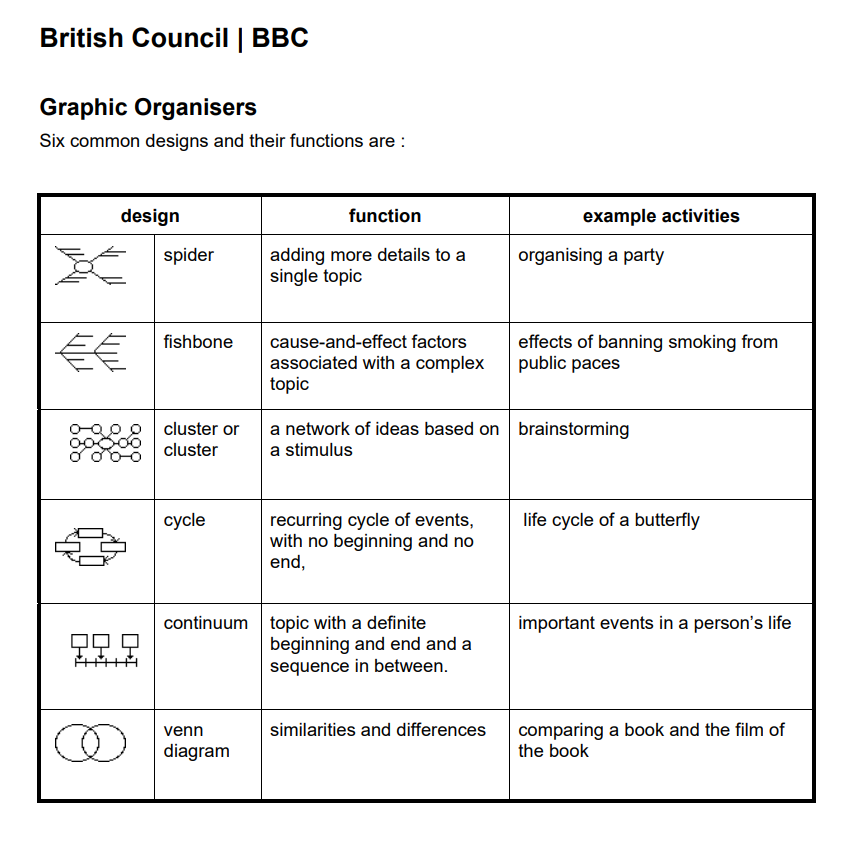
Pupils complete information in a diagram, chart, table etc to provide a visual overview of the relationship between information. Graphic organisers are also helpful in supporting understanding and as a tool to scaffold ideas and writing.
See this information from the British Council: Interacting with texts - Directed activities related to texts (DARTs) | TeachingEnglish | British Council
See also DARTs - The Bell Foundation (bell-foundation.org.uk)
Cloze/Gap Fill/Multiple Choice Activities
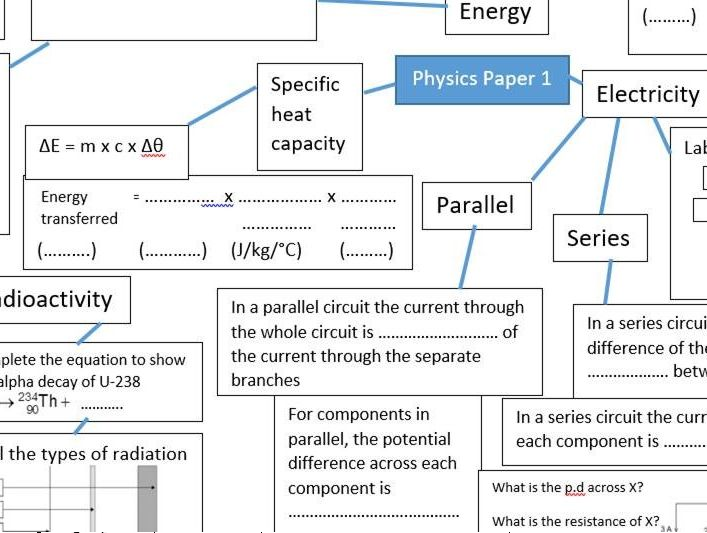
Pupils have to identify the missing word or select the correct option to compete the sentence. This allows them to focus on the key words and on the content if they are still finding it difficult to structure sentences.
See this information from the British Council: Interacting with texts - Directed activities related to texts (DARTs) | TeachingEnglish | British Council
See also DARTs - The Bell Foundation (bell-foundation.org.uk)
Image from AQA Triolgy Physics Paper 1 Revision map gap fill | Teaching Resources (tes.com)
Prioritising and ranking
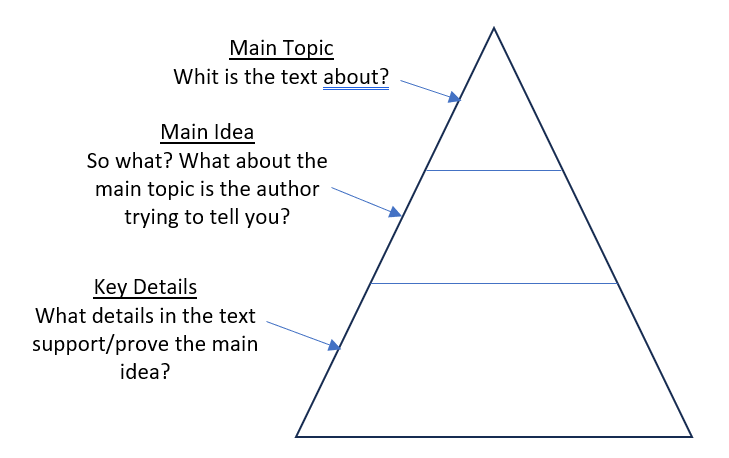
The pupils have to rank/order/say whether statements are true or false.
See this information from the British Council: Interacting with texts - Directed activities related to texts (DARTs) | TeachingEnglish | British Council
See also DARTs - The Bell Foundation (bell-foundation.org.uk)
Highlighting
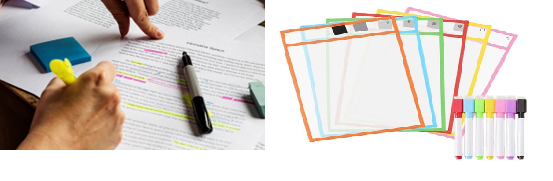
Pupils highlight or mark the text to identify relevant information that will help them complete the next task. Provide the pupil with a photocopy of the text if they can’t mark the original, or use a dry wipe pocket.
See this information from the British Council: Interacting with texts - Directed activities related to texts (DARTs) | TeachingEnglish | British Council
See also DARTs - The Bell Foundation (bell-foundation.org.uk)
Matching visuals to text
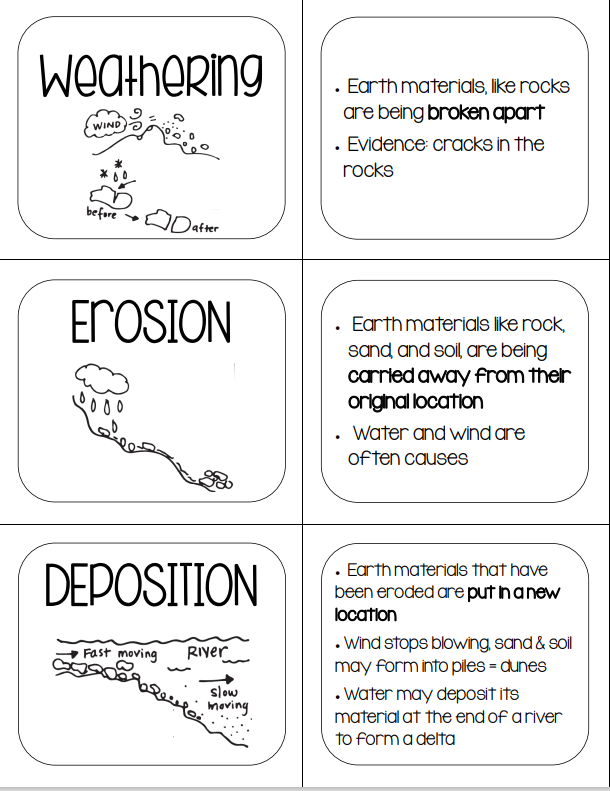
Pupils show understanding of the text by relating it to the appropriate image.
See this information from the British Council: Interacting with texts - Directed activities related to texts (DARTs) | TeachingEnglish | British Council
See also DARTs - The Bell Foundation (bell-foundation.org.uk)
Image from Science (weebly.com)
Matching text
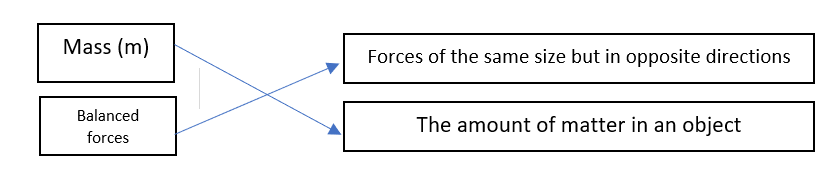
This could be words to definitions, questions to answers, cause to effect etc to show understanding of vocabulary and concepts. It could be matching first language word to English word.
See this information from the British Council: Interacting with texts - Directed activities related to texts (DARTs) | TeachingEnglish | British Council
See also DARTs - The Bell Foundation (bell-foundation.org.uk)